
 admin
admin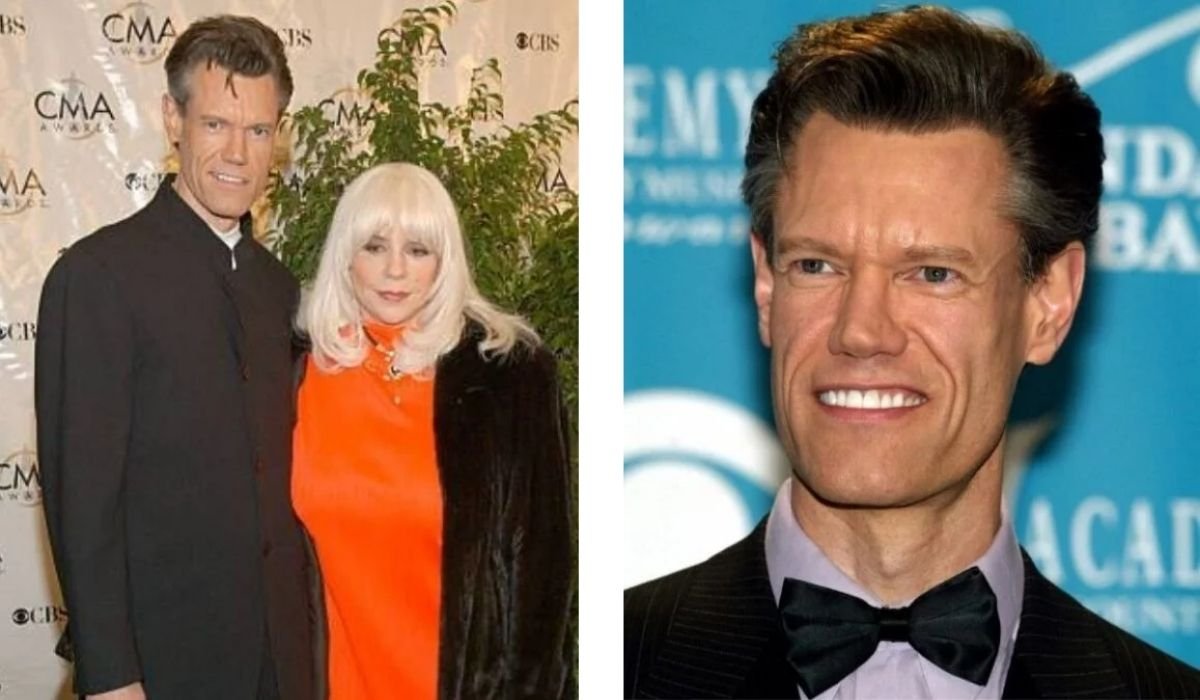
Elizabeth Hatcher Travis is a prominent figure in the country music industry, primarily known for her role as the long-time manager and former wife of country legend Randy Travis. Her career in the music business began long before her public association with the star, as she owned and operated several nightclubs where she first discovered his talent. Throughout the 1980s and 1990s, she was instrumental in shaping the “New Traditionalist” movement, helping to pivot the genre back to its roots. Her business acumen and dedication were pivotal in transforming a young, troubled singer into a global icon with multi-platinum success.
Quick Bio
| Feature | Details |
|---|---|
| Full Name | Elizabeth Hatcher Travis |
| Known For | Talent Management, Business Executive |
| Primary Associate | Randy Travis |
| Industry | Country Music |
| Notable Achievement | Managing Randy Travis to Multi-Platinum Success |
Discovery at Country City USA
Elizabeth Hatcher Travis first encountered Randy Traywick, later known as Randy Travis, at a talent competition in North Carolina. At the time, she was running a club called Country City USA and recognized his raw potential immediately. Despite his early legal troubles and the industry’s initial rejection of his traditional sound, she remained steadfast in her belief in his voice. She eventually moved to Nashville with him, taking on the role of his full-time manager. Her persistence led to his signing with Warner Bros. Records, which eventually sparked a massive resurgence in the popularity of traditional country music worldwide.
A Dual Role in Nashville
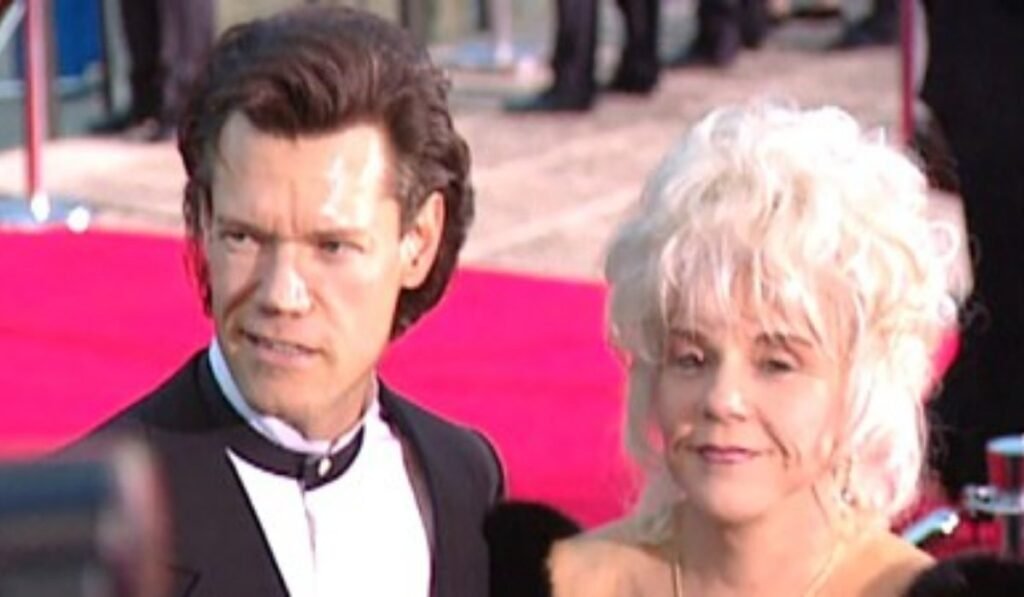
Elizabeth Hatcher Travis played a dual role in the singer’s life, serving as both his professional manager and his romantic partner for decades. Their professional relationship was the bedrock of his career, as she handled the intricate details of touring, marketing, and brand development. In the competitive Nashville landscape, she was known as a formidable negotiator who protected her client’s interests fiercely. This dedication ensured that Randy remained a top-tier act for over twenty-five years. Their partnership proved that a strong management foundation is just as critical to stardom as vocal talent or songwriting ability.
Marriage and Personal Bond
Elizabeth Hatcher Travis and Randy Travis eventually married in 1991 in a private ceremony at their home in Maui. For many years, they were considered one of the most stable and successful power couples in the country music world. They shared a deep bond built on years of struggling together before reaching the pinnacle of fame. As a manager, she continued to oversee every aspect of his professional life, while as a wife, she provided the personal support necessary to navigate the pressures of celebrity. Their union represented a unique blend of personal devotion and high-stakes professional management.
Shaping Modern Country Classics

Elizabeth Hatcher Travis oversaw the release of iconic albums such as “Storms of Life” and “Always & Forever” during their peak years. These projects didn’t just sell millions of copies; they changed the direction of country music history. By focusing on authentic storytelling and traditional instrumentation, she helped Randy stand out against the more “pop” sounding country acts of the era. Her strategic decisions regarding song selection and public image were masterclasses in artist development. Without her guiding hand, the landscape of 1980s country music might have looked entirely different for many aspiring traditionalist artists.
Navigating a Public Divorce
Elizabeth Hatcher Travis faced significant challenges when her marriage to Randy ended in divorce in 2010. The split was widely publicized and marked the end of an era for the country music community. Despite the personal separation, the initial plan was for her to continue acting as his business manager. However, the transition from being a spouse to strictly a business partner proved difficult under the scrutiny of the public eye. This period was marked by legal complexities as they sought to untangle their intertwined personal and professional assets after nearly thirty years of being a team.
Legal Struggles and Professional Fallout

Elizabeth Hatcher Travis eventually became involved in a series of legal disputes with her former husband following their divorce. These lawsuits centered around breach of contract and the management of his career during a tumultuous period for the singer. The litigation highlighted the complexities that arise when personal and professional lives are so closely linked for decades. Despite the legal friction, her historical contribution to his legacy remained undeniable. The court battles served as a somber post-script to what had been one of the most successful management stories in the history of the Nashville music industry.
Recent Years and Private Life
Elizabeth Hatcher Travis has maintained a relatively private life in recent years, staying away from the intense media spotlight that followed her divorce. Her legacy in the music industry, however, continues to be studied by those interested in the history of talent management. She remains a symbol of the “strong woman behind the man” narrative, though her actual role was far more executive and strategic than that simple phrase suggests. Her ability to navigate the male-dominated music business of the late 20th century serves as an inspiration for many modern female managers and executives in the industry.
Business Acumen and Branding
Elizabeth Hatcher Travis was known for her “no-nonsense” approach to business, which earned her the respect of record executives and promoters alike. She understood that longevity in the music business required more than just hit singles; it required a sustainable brand. By carefully managing Randy’s public appearances and endorsement deals, she ensured his financial security and cultural relevance for decades. Her foresight into the importance of the “traditionalist” niche allowed Randy to build a loyal fanbase that stayed with him even as musical trends shifted. This strategic branding is a testament to her deep industry knowledge.
Philanthropy and Community Impact
Elizabeth Hatcher Travis also contributed to the charitable efforts associated with the Travis brand over the years. She helped coordinate various benefit concerts and philanthropic initiatives that supported causes dear to both her and the singer. This work helped humanize the star and deepened his connection with the community. Management, in her eyes, was about more than just contracts; it was about building a legacy that included giving back. These efforts left a positive mark on the Nashville community and showcased a different side of her professional capabilities beyond the boardroom.
Revitalizing Traditional Country
Elizabeth Hatcher Travis remains a pivotal figure in the discussion of how traditional country music was saved during the 1980s. When critics claimed that the “Hee Haw” era of country was over and that only pop-crossover acts would survive, she proved them wrong. By betting on a singer with a deep baritone and a penchant for old-school honky-tonk, she revitalized the genre. This shift paved the way for future stars like George Strait and Alan Jackson to find mainstream success. Her influence on the genre’s trajectory is a vital chapter in the history of American music.
Lessons from the Club Circuit
Elizabeth Hatcher Travis spent much of her early career learning the ropes of the entertainment business through trial and error in the club circuit. Owning nightclubs gave her a unique perspective on what audiences actually wanted to hear versus what labels wanted to sell. This “boots-on-the-ground” experience was her secret weapon when she moved to Nashville. She could spot a hit song or a charismatic performer from a mile away because she had seen hundreds of acts fail. This background made her an unconventional but highly effective manager who didn’t rely on standard industry playbooks.
Gospel Transition and Creative Growth
Elizabeth Hatcher Travis managed the transition of Randy Travis from a country music star to a successful gospel artist in the early 2000s. This was a risky move at the time, but she recognized his genuine passion for the genre. The result was a series of highly successful gospel albums and the hit single “Three Wooden Crosses,” which won multiple awards. This pivot demonstrated her ability to adapt an artist’s career to reflect their personal growth while maintaining commercial success. It further solidified her reputation as one of the most versatile managers in the Nashville music scene.
Expanding into Film and Television
Elizabeth Hatcher Travis navigated the complexities of Randy’s film and television career as well. Under her guidance, he appeared in numerous movies and TV shows, further expanding his reach beyond the music charts. These opportunities were carefully selected to align with his “down-home” persona and rugged image. By diversifying his portfolio, she ensured that he was a recognizable face to audiences who might not even listen to country music. This multi-media approach was ahead of its time and is now a standard practice for managing top-tier musical talent today.
Perfectionism in Touring and Live Shows
Elizabeth Hatcher Travis is often remembered by those who worked with her as a tireless advocate for her artists. She was known to work eighteen-hour days to ensure every detail of a tour was perfect. From the lighting rigs to the merchandise tables, nothing escaped her attention. This level of perfectionism contributed to the high quality of Randy’s live performances and his reputation as a consummate professional. Her dedication to the craft of management set a high bar for others in the industry and ensured that the “Travis” name was synonymous with quality.
Adapting to the Digital Evolution
Elizabeth Hatcher Travis saw the evolution of the Nashville music scene from a small, tight-knit community to a multi-billion dollar global industry. Throughout these changes, she remained a constant presence, adapting to new technologies and marketing strategies. Whether it was the rise of music videos or the shift from vinyl to CDs, she ensured her artist remained at the forefront. Her resilience in such a volatile industry is a testament to her intelligence and adaptability. She survived and thrived in an era where many other managers and labels faded into obscurity quite quickly.
Resilience Amid Media Scrutiny
Elizabeth Hatcher Travis faced personal scrutiny during her time in the spotlight, often being portrayed in various ways by the tabloid press. Despite this, she remained focused on her work and rarely responded to rumors or gossip. She understood that in the world of celebrity, the focus should always remain on the artist’s work rather than the manager’s personal life. This stoicism helped maintain the dignity of the Travis brand during both the highs and the lows of their career. Her ability to stay professional under pressure is one of her most admired traits by her peers.
A Trailblazer for Women in Music
Elizabeth Hatcher Travis paved the way for many other women to enter the ranks of high-level talent management in country music. At a time when women were often relegated to assistant roles, she was the one making the major decisions. She proved that a woman could run a major talent agency and manage a superstar just as effectively as any man in the business. Her success helped break down barriers and changed the internal culture of many Nashville institutions. Today, the industry is more diverse because of the paths blazed by pioneers like her during the 1980s.
Enduring Influence and Story
Elizabeth Hatcher Travis will always be inextricably linked to the voice of Randy Travis, but her individual story is one of grit and ambition. She was a self-made woman who rose from the club scene of North Carolina to the boardrooms of Nashville. Her life illustrates the power of belief—both in oneself and in the talent of others. While the legal battles of her later years were unfortunate, they do not erase the decades of brilliance she brought to the industry. She remains a fascinating figure whose influence on country music continues to be felt through the artists she inspired.
Historical Perspective on Management
Elizabeth Hatcher Travis continues to be a subject of interest for country music historians and biographers. Her role in the “New Traditionalist” movement is documented in various books and documentaries about the era. For those looking to understand the mechanics of stardom, her career offers a wealth of lessons on branding, management, and artist development. She is a reminder that behind every great voice, there is often an equally great strategist working tirelessly in the shadows.
FAQs
- Who is Elizabeth Hatcher Travis?
- She is a famous music manager and the former wife of country star Randy Travis.
- When did she marry Randy Travis?
- They were married in 1991 after many years of working together professionally.
- What was her role in Randy’s career?
- She served as his full-time manager and was responsible for his rise to fame.
- When did they get divorced?
- The couple officially filed for divorce in 2010 after nearly 20 years of marriage.
- Did she own any businesses?
- Yes, she famously owned several nightclubs, including Country City USA in North Carolina.