
 admin
admin
Billy Beane remains one of the most influential figures in professional sports, best known for his pioneering use of sabermetrics to lead the Oakland Athletics. By prioritizing on-base percentage over traditional scouting metrics, he challenged long-held baseball dogmas and proved that small-market teams could compete with high-payroll giants. His approach, famously chronicled in the book and film Moneyball, fundamentally changed how teams evaluate talent and allocate resources. Today, his legacy extends far beyond the diamond, as the “Moneyball” philosophy has been adopted by organizations across various global sports leagues, cementing his status as a true innovator in the history of sports management.
| Quick Bio | Details |
| Full Name | William Lamar Beane III |
| Born | March 29, 1962, Orlando, Florida |
| Known For | Revolutionizing MLB via data-driven strategy |
| Primary Team | Oakland Athletics (Scout, GM, EVP, Senior Advisor) |
| Career Highlight | Subject of Michael Lewis’ book Moneyball |
The Early Life And High School Prospects Of Billy Beane
Born in Orlando, Florida, Billy Beane was a standout athlete during his youth. His high school performance was so impressive that he was widely considered one of the top baseball prospects in the nation. Many scouts projected him as a future superstar, a belief so strong that the New York Mets drafted him in the first round of the 1980 MLB Draft. Forgoing a college scholarship to Stanford University, he entered the professional ranks with immense expectations. This decision, often described by Beane as the only major life choice he ever made based primarily on money, launched his professional career.
A Challenging Professional Playing Career For Billy Beane

Despite the massive hype, Billy Beane struggled to find consistency at the professional level. He played parts of six seasons for the New York Mets, Minnesota Twins, Detroit Tigers, and Oakland Athletics, but never achieved the stardom many had predicted. His playing career was characterized by an inability to adjust to the higher level of competition and the psychological pressures of being a “can’t-miss” prospect. After batting just .219 over 148 major league games, he retired in 1990. This period of disappointment and struggle became the catalyst for his future transformation into a legendary front-office executive.
The Transition To The Oakland Athletics Front Office
Retirement from playing did not mean an end to his baseball journey. In 1990, he joined the Oakland Athletics as an advance scout, working under the mentorship of general manager Sandy Alderson. It was during this period that he was introduced to the concepts of sabermetrics—the empirical analysis of baseball statistics. Alderson’s analytical approach deeply influenced Beane, as it offered a more objective way to evaluate player value. This apprenticeship was critical, providing Beane with the foundational knowledge and the bold mindset necessary to challenge the traditional, intuition-based scouting methods that dominated the professional baseball world for decades.
Rising To The General Manager Role In 1997
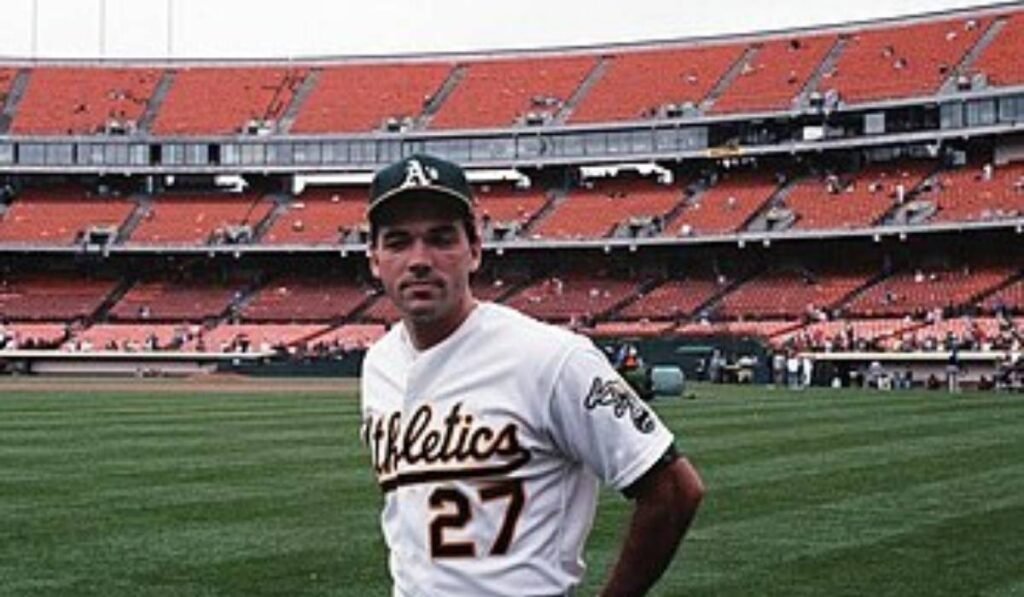
By 1997, Billy Beane had earned a reputation as a forward-thinking talent evaluator, leading to his promotion to general manager of the Oakland Athletics. Inheriting a team that had struggled for several seasons, he faced a massive challenge. With one of the lowest payrolls in the league, he could not compete for expensive free agents. Instead, he began to implement a strategy centered on identifying undervalued skills. He famously focused on acquiring players who had high on-base percentages but were overlooked by other teams. This shift in organizational philosophy marked the true beginning of his revolutionary impact on baseball.
The Moneyball Phenomenon And Organizational Success
The defining era for the team began in the early 2000s when they consistently outperformed teams with double their payroll. By hiring collaborators like Paul DePodesta, he refined the team’s ability to find hidden value. The 2002 season, highlighted by an incredible 20-game winning streak, showcased the potential of his analytical methods. Michael Lewis documented these efforts in the 2003 book Moneyball, which turned the general manager into a household name. This period established a new standard for professional sports, where data-driven decision-making became a viable and often superior alternative to traditional, scout-reliant methods for team building.
Challenging Baseball Dogmas Through Data Analytics
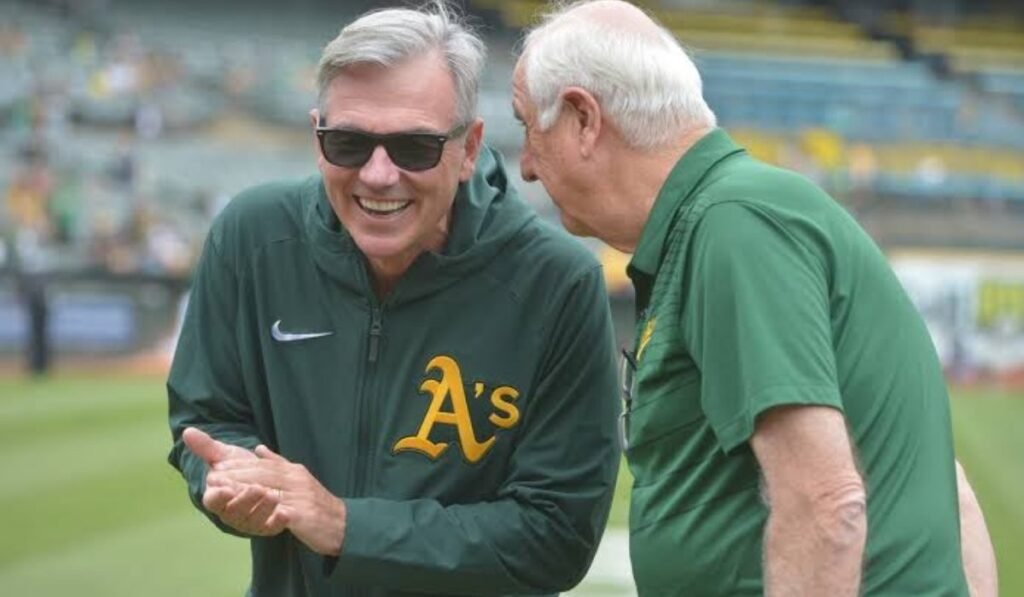
For decades, scouts prioritized tools like batting average, speed, and fielding grace. Billy Beane challenged these dogmas, arguing that they were poor indicators of a team’s actual ability to win games. Instead, he favored statistics like on-base percentage (OBP), which prioritized not making outs. His willingness to question long-standing traditions earned him significant criticism from traditionalists, but his results were impossible to ignore. By shifting the focus to objective data, he exposed the inefficiencies in the market, allowing the Oakland Athletics to sustain a level of competitiveness that defied their financial limitations for nearly two decades under his direct leadership.
The Lasting Influence Of Sabermetrics On Sports
The “Moneyball” approach eventually spread across the entirety of Major League Baseball. Today, it is nearly impossible to find a front office that does not employ a team of data analysts. His influence extended to other sports as well; NBA teams, soccer clubs, and even businesses outside of sports began looking at how his analytical approach could be applied to their own operations. By mainstreaming the use of quantitative analysis, he forced the entire sports world to modernize its evaluation processes. The result has been a more efficient and analytical era where every team seeks an edge through data.
His Role As Executive Vice President Of Baseball Operations
In 2015, after 18 seasons as general manager, Billy Beane was promoted to Executive Vice President of Baseball Operations. In this role, he stepped back from the daily grind of roster construction to focus on long-term strategy and organizational health. He helped mentor his successor, David Forst, ensuring that the analytical culture he built would continue. This transition allowed him to oversee the broader interests of the organization while remaining a key advisor. His move to a more strategic position signaled his confidence in the system he had constructed to operate independently of his direct, hands-on control.
Billy Beane And The Investment In International Soccer
His influence is not limited to American baseball. A minority owner of Barnsley in the EFL League One and AZ Alkmaar in the Dutch Eredivisie, he has sought to apply his analytical strategies to European football. The transfer markets in soccer are notoriously complex, and his ability to identify undervalued talent has piqued interest in the sport’s potential for similar statistical improvements. By spreading his methodology to international soccer, he continues to explore how data-driven systems can create success in diverse financial and cultural environments, showing that his principles of player valuation are globally adaptable.
Strategic Advisors And Organizational Succession
One of the most impressive parts of his leadership has been his ability to create a succession plan. Throughout his tenure, he hired and mentored many assistants who eventually became general managers for other teams. This “coaching tree” of analytical thinkers has ensured that his influence is felt throughout the league. By cultivating talent both on the field and in the front office, he solidified a legacy of organizational excellence. His focus on mentorship suggests that he values the sustainability of his system as much as he values the immediate victories achieved on the diamond.
Why Billy Beane Turned Down High-Stakes Jobs
Many lucrative offers were extended to Billy Beane during his peak, most notably from the Boston Red Sox, who famously offered him a massive contract to lead their franchise. He turned down these opportunities, opting to stay with the Oakland Athletics. This decision is often cited as the irony of his career; despite being the master of maximizing market value, he chose to remain in a situation where he felt he could operate with autonomy and without the immense, suffocating pressure of a high-spending, high-expectation franchise. His loyalty to his home organization defined his professional journey and personal integrity.
Exploring The Cultural Impact Of The Moneyball Film
The 2011 film adaptation of Moneyball, featuring Brad Pitt as the lead, transformed Billy Beane from a respected executive into a cultural icon. The film introduced his methodology to a global audience, making the concepts of OBP and undervalued talent popular topics for casual fans. While the film took creative liberties, it successfully captured the struggle of the traditionalist versus the innovator. This cinematic fame brought unprecedented attention to the role of the front-office executive, turning what was once a behind-the-scenes profession into a topic of public fascination and debate across many different industries.
Data-Driven Decision Making In Modern Business
Business leaders frequently cite the “Moneyball” approach when discussing their own organizational strategies. The concept—identifying hidden value, maximizing efficiency, and ignoring conventional wisdom that isn’t supported by evidence—is now a core principle of modern business management. Whether in finance, marketing, or logistics, the lessons he brought to the baseball diamond have become foundational for companies looking to gain a competitive edge. His transition from baseball legend to a broader business thought leader is a testament to the universal application of his logical, evidence-based methods for success in any complex environment.
The Transition To Senior Advisor To Managing Partner
In recent years, he transitioned into a new role as Senior Advisor to the Managing Partner, John Fisher. This move allows him to work on high-level organizational matters, including the future of the stadium and the team’s long-term business trajectory. By serving as a trusted advisor, he provides institutional knowledge while exploring interests outside of baseball. This role allows him to maintain a connection to his legacy organization while preparing for a potential future beyond the sport. It represents the natural evolution of a career that has always been defined by long-term planning and foresight.
Balancing Analytics With Human Judgment
Critics of the analytical method often claim that it ignores the “human element” of sports. However, Billy Beane has always maintained that his approach does not eliminate the need for human judgment; rather, it informs it. He views analytics as a tool to minimize the risks associated with human bias. By combining empirical data with expert scouting reports, he creates a more holistic view of a player. This nuanced approach has allowed him to build teams that are both statistically sound and culturally cohesive, balancing the numbers with the intangible qualities that make for a winning team.
Maintaining Consistency In A High-Turnover Industry
One of the most remarkable aspects of his career is the consistency he achieved despite a constantly changing roster. Every few years, he was forced to trade away his best players because he couldn’t afford their next contracts. Despite this frequent turnover, he managed to keep the Oakland Athletics relevant and competitive in the American League West. This feat of constant rebuilding is what separates him from GMs who only find success when they have high budgets. His ability to sustain a competitive roster year after year is perhaps his greatest professional achievement.
The Role Of Minor League Scouting In His System
His system relied heavily on deep, efficient minor league scouting to provide a constant pipeline of affordable talent. By identifying prospects early and developing them properly, he ensured that the major league team always had a fresh supply of players who were ready to contribute at a low cost. This development-first mentality is what allowed him to survive the loss of star players. His emphasis on minor league production and smart drafting remains a model for billy beane how teams can build a sustainable, internal system of talent that is less dependent on the expensive free-agent market.
How He Revolutionized Trade Negotiations
Billy Beane became known for his aggressive and unconventional trade negotiations. He was never afraid to make a deal that others thought was risky if the data suggested it provided an advantage. His trades were often based on a calculated assessment of how a player’s skills would translate to a different environment. By consistently “selling high” on players billy beane whose market value exceeded their actual statistical production, he was able to acquire multiple prospects who could become the next core of the team. This talent for trade efficiency became a signature part of his overall strategy.
Mentoring The Next Generation Of Executives
His impact is best seen in the success of the people who learned under his guidance. Many GMs and team presidents currently working in MLB spent time in the Oakland front office learning his system. This network of “Beane-trained” executives has ensured that billy beane his methodology is the dominant approach in the sport today. By acting as a mentor, he has expanded his reach far beyond his own team, creating a collaborative environment where his ideas continue to be tested, refined, and improved upon by the new generation of baseball leadership across the league.
Conclusion On The Legacy Of Billy Beane
The story of Billy Beane is the story of a man who looked at a broken system and found a way to fix it using nothing more than logic and data. He proved that success doesn’t always go to the richest, but to the smartest. His impact has been profound, changing the landscape of baseball and influencing industries worldwide. As he moves into the next phase of his career, billy beane his legacy as the ultimate innovator in sports management is secure. He challenged the status quo, won, and in the process, changed the world of sports forever.
Frequently Asked Questions
- How did Billy Beane change baseball?
- He pioneered the use of sabermetrics, prioritizing stats like on-base percentage to find undervalued players, allowing small-market teams to compete with big spenders.
- What is the Moneyball strategy?
- It is an evidence-based management approach that focuses on objective data to uncover hidden value and inefficiencies, rather than relying on traditional scouting intuition.
- Is Billy Beane still with the Oakland Athletics?
- Yes, he currently serves as a Senior Advisor to the Managing Partner, continuing to work with the organization on strategic decisions.
- Was Billy Beane a successful professional baseball player?
- His playing career was largely considered unremarkable, as he struggled with the transition to the major leagues before retiring in 1990.
- Does Billy Beane have interests outside of baseball?
- Yes, he is a minority owner of soccer clubs including Barnsley in England and AZ Alkmaar in the Netherlands, applying his analytical strategies internationally.