 admin
admin
HRIS integration represents the sophisticated process of connecting a company’s human resources information system with other essential workplace platforms, such as payroll, benefits administration, time-tracking software, and accounting tools. By enabling automated data flow, organizations can move away from time-consuming manual entry, significantly reducing administrative burdens and operational errors. In today’s competitive business landscape, relying on disjointed systems often leads to data silos and inconsistencies that hinder strategic decision-making. Adopting a unified approach through comprehensive system connectivity ensures that employee information remains accurate, secure, and accessible across all vital departments, ultimately fostering a more cohesive and productive organizational environment.
| Feature | Details |
| Topic | HRIS Integration |
| Primary Goal | Automate Data Flow |
| Core Benefit | Single Source of Truth |
| Common Connections | Payroll, Benefits, Time-Tracking |
| System Impact | Reduced Manual Errors |
Understanding the Core Concept of HRIS Integration
The fundamental purpose of HRIS integration is to create a digital bridge between your primary employee database and other operational tools. Without this connectivity, HR teams are forced to perform repetitive tasks, manually updating the same information across multiple platforms. By implementing HRIS integration, companies ensure that changes—such as new hires, promotions, or status updates—propagate instantly to payroll and benefits portals. This synchronization is crucial for maintaining data integrity and removing the risk of human error. Ultimately, the goal is to create a reliable ecosystem where information travels effortlessly, supporting the entire employee lifecycle from onboarding to offboarding.
Eliminating Manual Data Entry Processes
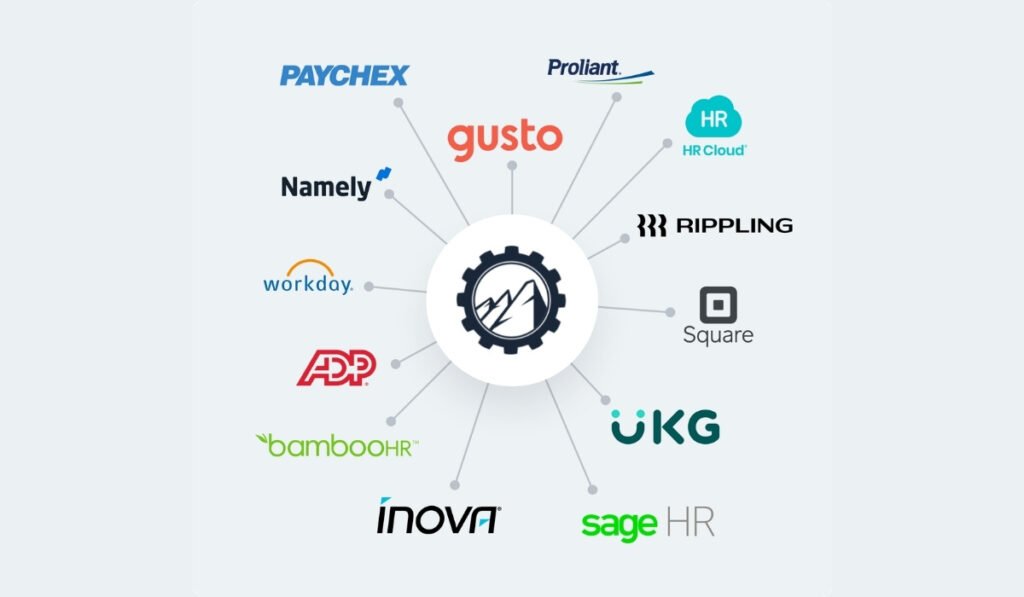
One of the most immediate advantages of HRIS integration is the drastic reduction in manual data entry. HR professionals often spend hours transferring employee details between various software tools, a process prone to mistakes. When systems are connected, any update made within the HRIS automatically syncs across the connected stack. This automation frees up your human resources department to focus on high-value initiatives rather than routine administrative maintenance. By removing the need for double-handling, your team can operate with greater speed and accuracy, ensuring that employee records remain consistent, up-to-date, and fully reliable for every stakeholder in the organization.
Achieving a Single Source of Truth
HRIS integration facilitates the establishment of a “single source of truth,” which is vital for any growing business. When employee data is fragmented, it becomes difficult to maintain a clear picture of the workforce. By linking your systems, you ensure that there is only one authoritative record for every employee. This centralization prevents discrepancies in pay, tax reporting, and benefit eligibility, which can often arise when different departments hold conflicting data. Having a unified database allows leadership to access accurate, real-time insights, enabling them to make data-driven decisions that directly impact employee satisfaction, retention, and overall organizational growth.
Enhancing Data Accuracy and Compliance
Manual entry is a leading cause of payroll mistakes and compliance violations. HRIS integration acts as a safeguard, ensuring that information flows accurately between systems. When data moves automatically, you minimize the risk of typographical errors or outdated information causing costly payroll discrepancies. Furthermore, consistent data is essential for regulatory compliance. By maintaining unified, verifiable records, your organization can easily generate the reports needed for audits or governmental inquiries. This level of precision is not only good for business operations but also ensures that you remain in good standing with labor laws and industry regulations at all times.
Improving the Employee Experience
The impact of HRIS integration extends directly to the employee experience. When processes like onboarding are automated, new hires gain access to their tools, benefits, and payroll systems faster and with fewer hurdles. Conversely, offboarding becomes a seamless transition, ensuring that access to sensitive systems is revoked immediately upon termination. Employees benefit from fewer administrative delays regarding their pay and benefits enrollment, leading to higher levels of trust and engagement. By removing the friction often caused by disconnected systems, you demonstrate a commitment to operational excellence that reflects positively on your company culture and internal brand reputation.
Streamlining Payroll and Benefits Administration
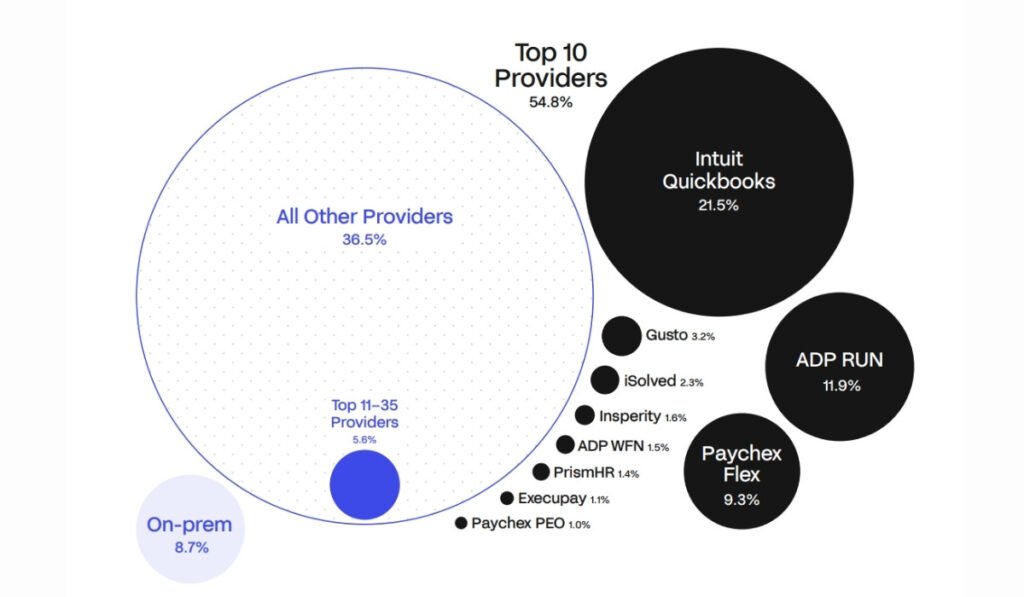
Linking your HRIS to payroll and benefits platforms is perhaps the most significant integration for any organization. This connection ensures that salary adjustments, tax withholdings, and insurance deductions are updated in real-time. Without this, HR staff must manually submit changes to third-party providers, increasing the chance of missed deadlines or enrollment errors. HRIS integration automates these tasks, ensuring that employees are compensated correctly and have uninterrupted access to their benefits. This level of synchronization is essential for maintaining accurate financial records and providing a reliable service to your staff, which is critical for workplace morale.
Strengthening Security and Data Privacy
Security is a top priority for any business managing sensitive employee information. HRIS integration helps secure data transfer by using encrypted protocols, rather than relying on insecure manual methods like email or spreadsheets. By centralizing access and automating provisioning, you can ensure that only authorized personnel have access to specific data sets. Furthermore, when employees leave, automated de-provisioning ensures that their accounts are closed quickly, reducing the risk of unauthorized access or internal data breaches. A well-integrated system provides a tighter, more controlled environment that protects your organization and its employees from potential digital vulnerabilities and security threats.
Facilitating Better Reporting and Analytics
When your HRIS is integrated with other business tools, you gain a holistic view of your workforce through unified reporting. Instead of pulling data from several disparate spreadsheets, you can generate comprehensive analytics that correlate payroll, performance, and attendance data. This level of insight allows leadership to identify trends, such as correlations between employee engagement and turnover rates, or to forecast future hiring needs more accurately. These data-driven insights are invaluable for strategic planning, enabling you to optimize your human capital and ensure that your HR strategy is always perfectly aligned with the broader goals of your company.
Scaling Operations with Integrated Workflows
As your company grows, the complexity of managing a large workforce increases significantly. HRIS integration is an essential component of scaling your operations, as it allows your tech stack to grow alongside your business. Pre-built integrations often available with modern systems mean that you can add new tools to your infrastructure without needing extensive custom development. This flexibility ensures that you can maintain efficiency regardless of how many employees you manage or how many different platforms you use. By building an integrated foundation early on, you prepare your organization to handle future growth with minimal operational disruption and maximum efficiency.
Enhancing Collaboration Across Departments
Departments like IT, payroll, and HR must work in concert, yet they often operate in silos. HRIS integration breaks down these barriers by providing a shared platform for necessary workforce data. When HR updates a job title or a department change, the IT team automatically receives the necessary information to provision or update the relevant system access. This cross-departmental connectivity fosters better collaboration, reduces the need for constant email communication, and minimizes the risk of misinterpretation. By aligning these departments through shared data, your company can operate as a truly cohesive unit rather than as separate, disconnected silos.
Simplifying Global Workforce Management
For companies operating in multiple regions, managing local payroll and compliance requirements can be a logistical nightmare. HRIS integration with global payroll providers simplifies this by allowing you to standardize data processes while remaining compliant with local regulations. These integrations can handle the complexities of different tax codes and labor laws, ensuring that all regional offices operate under the same high standard. By centralizing the core data in your HRIS while using localized, integrated tools for specific operational needs, you can manage a global workforce with greater ease, consistency, and accuracy, regardless of the geographical dispersion.
Customization vs. Standardized Integration
When choosing how to approach your strategy, it is important to consider the trade-off between custom-built integrations and standardized, pre-built solutions. While custom development offers a tailored experience, it is often costly to build and difficult to maintain over time. hris integration Standardized integrations, which are typically offered by modern software vendors, are often the more efficient and scalable choice. They are frequently updated by the providers to ensure compatibility with new software versions, reducing the ongoing maintenance burden on your IT team. Opting for standardized connections where possible allows you to focus on results rather than maintenance.
Testing and Validation for Success
The implementation of any connection requires rigorous testing to ensure that data arrives exactly as intended. Before going live, it is essential to run simulations with sample data to verify that all mappings are correct. This includes checking for edge cases, such as special characters, null values, or duplicate profiles. Testing should be performed in a staging environment to identify and hris integration resolve any bugs without affecting your actual production systems. By dedicating enough time to this validation phase, you ensure that the transition is smooth and that your integrated systems function reliably from the very first day.
Change Management and User Adoption
Even the most advanced technology will fail if employees do not adopt it. Successful integration requires a robust change management strategy to communicate the benefits of the new system to all stakeholders. Explain not just how the new process works, but why it is better than the old manual methods. Identify “change champions” within different teams to act as internal hris integration points of contact and help generate enthusiasm. By focusing on the people aspect, you minimize resistance and ensure that your team embraces the new workflow, ultimately leading to higher adoption rates and a more successful project overall.
Selecting the Right HRIS Partner
Choosing an HRIS vendor is a strategic decision that goes beyond software features; it involves selecting a partner who can support your long-term goals. Look for providers that prioritize openness and offer strong API support or a wide range of pre-built marketplace integrations. This ensures that your HRIS can easily connect with the other tools you already use or plan to adopt. Additionally, hris integration consider the quality of their customer support and their commitment to innovation. A good partner will provide the guidance needed to navigate the complexities of your integration, helping you maximize the value of your investment.
Continuous Monitoring and Maintenance
Integration is not a “set it and forget it” task; it requires ongoing monitoring to ensure consistent performance. As your organization evolves and your software versions update, you must regularly check that your data syncs are still operating correctly. Use dashboards to track integration health, setting up alerts for any sync failures or data discrepancies. hris integration Proactive maintenance allows you to catch and resolve issues before they impact your payroll or employee data. By treating your system connectivity as a living, breathing part of your infrastructure, you ensure long-term stability and continued efficiency across all your departments.
Evaluating Key Performance Indicators
To justify the investment in your setup, you should define and track clear KPIs. If your goal was to reduce time spent on administration, measure the reduction in hours your hris integration HR team spends on manual data entry per week. If the goal was to increase data accuracy, track the decrease in payroll corrections or benefits enrollment errors. By quantifying these improvements, you demonstrate the tangible ROI of your project to leadership. This data-driven evaluation helps you refine your strategy further, proving the value of a connected system and building support for future digital transformation initiatives across the organization.
Leveraging Modern API Technologies
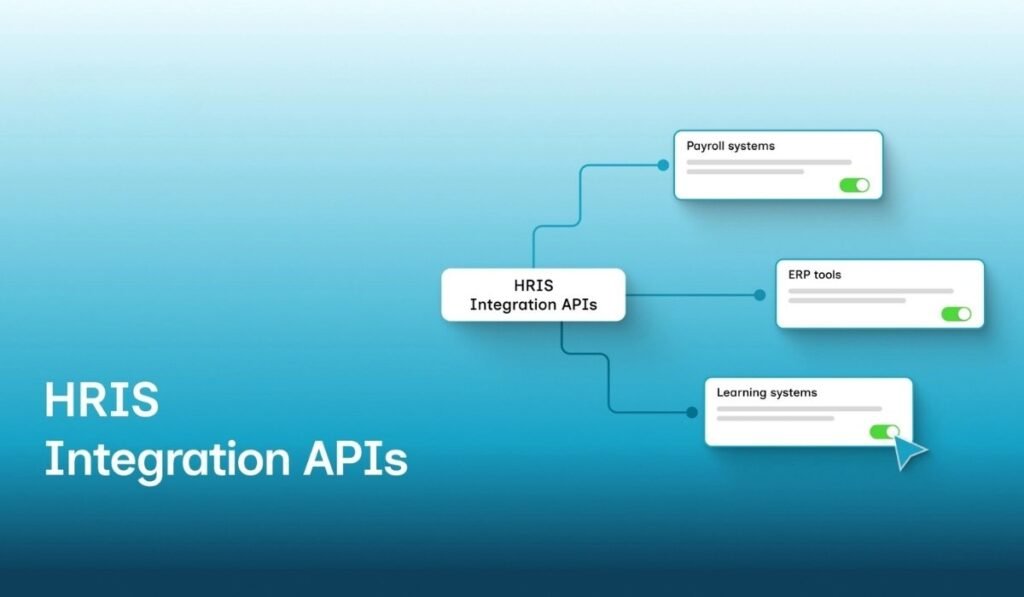
Modern HRIS platforms rely heavily on Application Programming Interfaces (APIs) to facilitate seamless data exchange. Understanding the basics of how these APIs function can empower your team to make more informed decisions about your technical stack. High-quality APIs allow for real-time or near-real-time synchronization, which is superior to traditional batch processing methods. hris integration When evaluating new software, always ask about the robustness of their API documentation and capabilities. A strong API infrastructure is the backbone of your digital ecosystem, ensuring that your tools can communicate effectively, securely, and reliably as your business and technology needs continue to evolve.
Preparing for Future Innovations
The field of HR technology is moving toward more advanced automation, including the use of artificial intelligence and machine learning. As these technologies mature, your integrated foundation will become even more valuable, allowing you to feed clean, unified data into hris integration these systems for predictive analytics. By focusing on building a well-connected infrastructure today, you are essentially “future-proofing” your business. You will be better positioned to adopt emerging technologies that can help you forecast talent shortages, predict turnover, or improve employee development. A solid, integrated foundation is the prerequisite for all future innovation in human resources and organizational management.
Concluding Thoughts on Integrated Systems
In summary, the strategic implementation of a connected system is one of the hris integration most effective ways to drive efficiency and accuracy in a modern business. By moving away from manual, isolated processes and embracing automated, integrated workflows, you create an environment where data works for you rather than against you. This shift not only saves time and reduces risk but also elevates the role of the HR function to a more strategic position.
- What exactly is an HRIS integration?
- It is the process of linking your human resources information system with other tools like payroll and benefits platforms to automate data movement.
- Why is automation through integration so important?
- It removes the need for manual data entry, which significantly reduces human error and frees up time for more strategic HR work.
- Does integration help with data security?
- Yes, it provides secure, encrypted channels for transferring data between systems, reducing the risks associated with manual file sharing.
- How do I start the integration process?
- Start by auditing your current systems, cleaning your existing data, and choosing a vendor that offers strong API support and pre-built connections.
- Can integration help with compliance?
- Absolutely, by maintaining a single, consistent record of employee data, you can more easily generate the accurate reports required for regulatory audits.