 admin
admin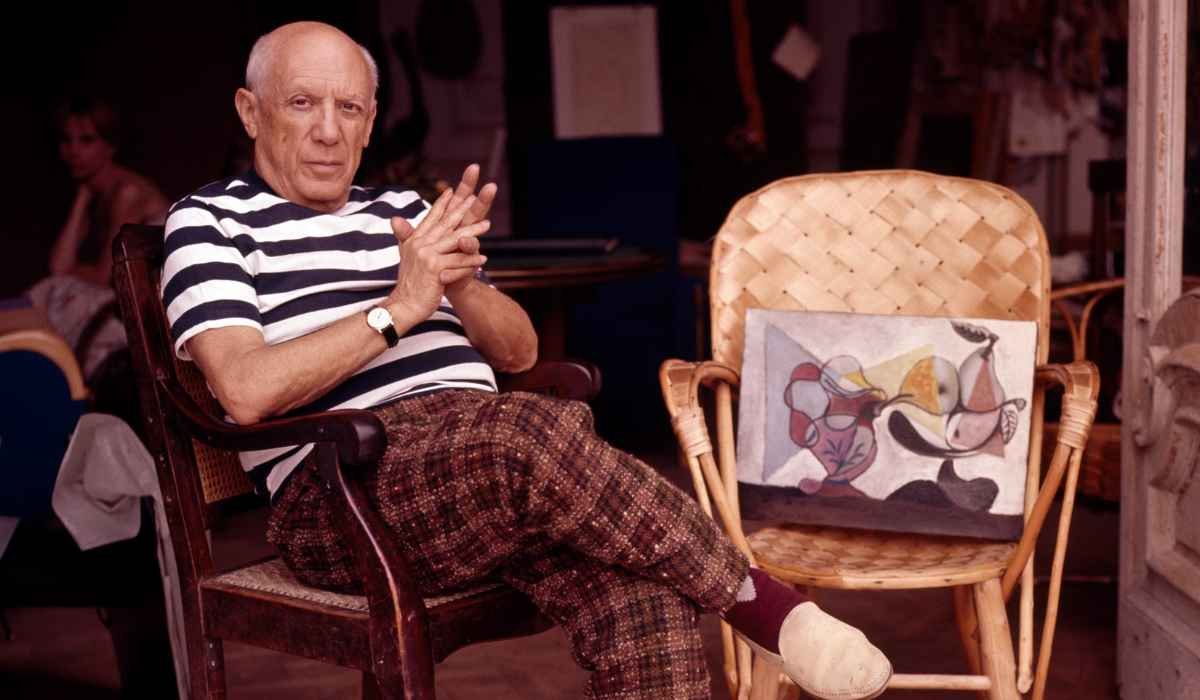
The landscape of modern art, visual aesthetics, and creative innovation during the twentieth century owes an immeasurable debt of gratitude to the revolutionary genius of Pablo Picasso, whose boundless imagination completely transformed the global art world. During a time when traditional academic painting styles rigidly constrained artistic expression across Europe, this remarkable painter rose to prominence with a vision rooted in radical experimentation, emotional intensity, and unyielding creative freedom. By pioneering Cubism and constantly reinventing his artistic technique, he demonstrated that visual art could be effectively harnessed to create groundbreaking forms that revolutionized global culture, sculpture, and modern design. His life remains a guiding light for anyone striving to push the boundaries of human creativity.
Quick Bio Snapshot
- Full Name: Pablo Ruiz y Picasso
- Lifespan: October 25, 1881 – April 8, 1973
- Key Role: Spanish painter, sculptor, printmaker, and ceramicist
- Major Achievement: Co-founded the Cubist movement and created iconic masterpieces like Guernica
Early Life and Artistic Roots of Pablo Picasso
The journey of Pablo Picasso began in Málaga, Spain, where he was born into a supportive family with deep artistic roots, his father being a traditional painting instructor. Displaying staggering prodigy skills from early childhood, he mastered classical figure drawing and oil painting by his early teens, easily surpassing the technical abilities of his teachers. These formative years planted the seeds of an insatiable appetite for visual experimentation and technical mastery. Relocating to Barcelona and later Madrid for advanced academy training, he absorbed classical techniques while developing a restless desire to break free from traditional realism, laying a strong foundation for his extraordinary career.
The Blue and Rose Periods of Artistic Exploration
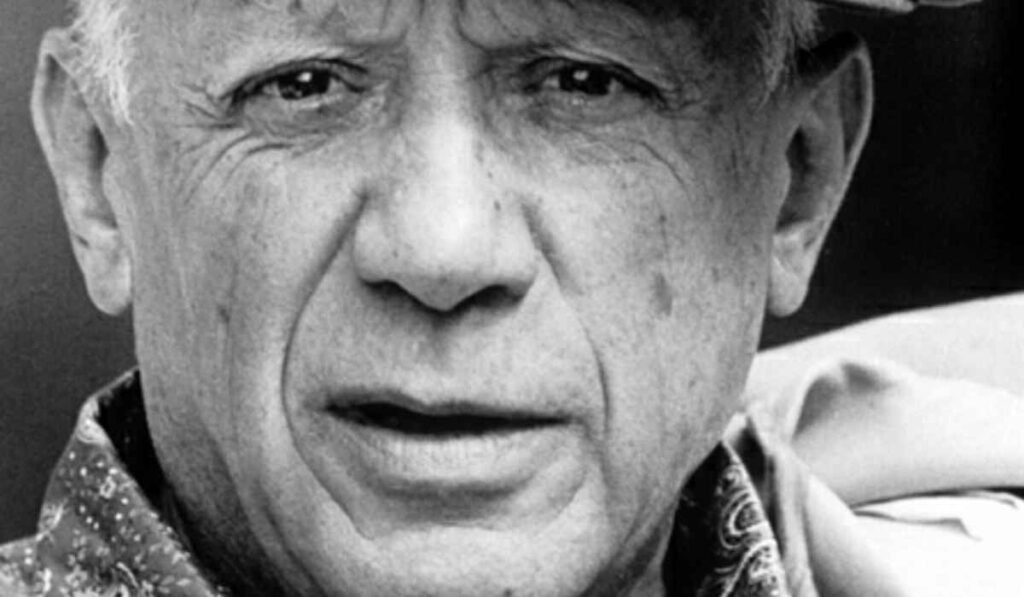
Professional development took Pablo Picasso to Paris during the turn of the twentieth century, where he experienced profound poverty and personal loss, inspiring his famous Blue Period. Painting monochromatic canvases dominated by somber blue and green hues, he depicted destitute beggars, blind guitarists, and desolate outcasts with haunting emotional depth. Transitioning shortly thereafter into his warmer Rose Period, his palette shifted toward cheerful pinks and reds featuring circus performers and acrobats. This prolific early exploration established his professional artistic reputation, proving that Pablo Picasso possessed an extraordinary capacity to translate human emotion directly onto canvas.
Inventing Cubism and Revolutionizing Modern Art
Radical artistic innovation arrived when Pablo Picasso joined forces with artist Georges Braque to invent Cubism, completely shattering traditional perspective in Western painting during 1907. Breaking down three-dimensional subjects into fragmented, geometric planes viewed from multiple angles simultaneously, his landmark painting Les Demoiselles d’Avignon shocked the international art community. This revolutionary visual language abandoned classical proportions in favor of conceptual abstraction. The creation of Cubism transformed Pablo Picasso from a talented young bohemian painter into the undisputed pioneer of twentieth-century modern art.
Exploring Diverse Media and Ceramic Innovations
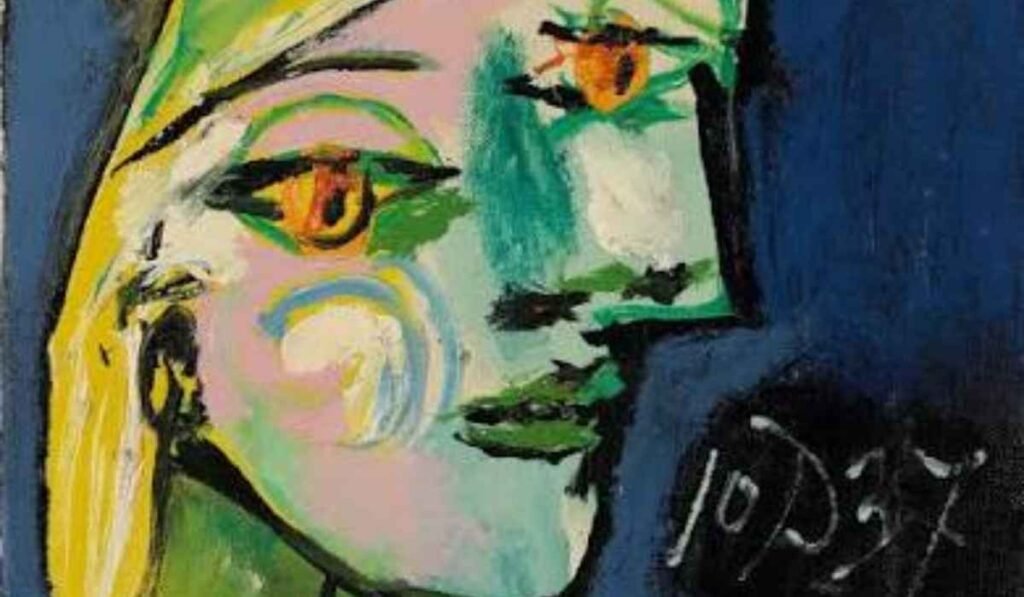
Expanding creative horizons took Pablo Picasso far beyond traditional canvas painting into the realms of sculpture, printmaking, ceramics, and stage design throughout his long career. Relocating to the south of France later in life, he mastered pottery at a local workshop in Vallauris, transforming ordinary plates, vases, and pitchers into whimsical animal and human sculptures. Furthermore, he experimented endlessly with linocut and lithography printing techniques. This prolific diversification proved that the artistic genius of Pablo Picasso was not bound to a single medium, but encompassed virtually every form of visual expression.
Political Awakening and Creating the Masterpiece Guernica
Profound political tragedy inspired the creation of the monumental anti-war masterpiece Guernica in 1937, painted by Pablo Picasso in response to the brutal bombing of a Basque town by fascist warplanes during the Spanish Civil War. Using stark black, white, and gray tones, the harrowing mural depicted tortured humans and animals crying out in agony, becoming the ultimate universal symbol of the horrors of war. Refusing to let the painting return to Spain until democracy was restored, Pablo Picasso used his global artistic platform to denounce tyranny and defend human rights worldwide.
Cultural Icon Status and Global Fame
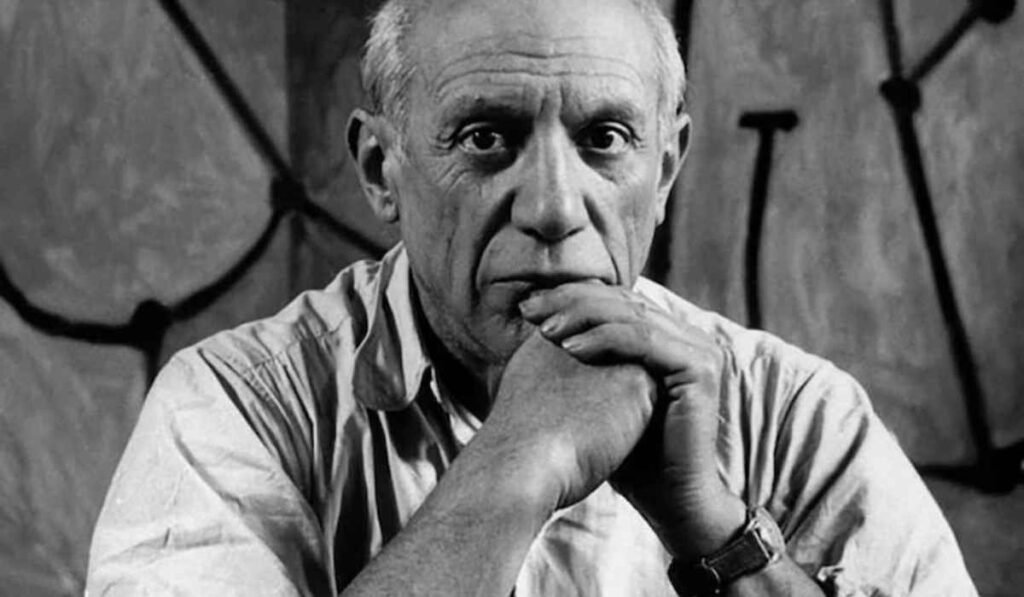
Commanding international attention through his staggering artistic output and eccentric personality, Pablo Picasso evolved into one of the most recognizable cultural icons of the modern era. From museum retrospectives in Paris and New York to global media profiles, every new artistic phase he entered was celebrated by critics and collectors alike. However, his public persona was intensely driven; he created tens of thousands of works over his lifetime. The timeless cultural legacy of Pablo Picasso continues to inspire contemporary painters, sculptors, and designers, cementing his status as a legendary figure whose influence transcends art history.
Work Ethic and Prolific Studio Dedication
Exerting exceptional levels of studio dedication, Pablo Picasso worked relentlessly every single day well into his nineties, producing an estimated fifty thousand artworks across his lifetime. His obsessive creative energy and daily painting rituals set an unmatched historical benchmark for artistic productivity. Whether sketching rapid line drawings or carving intricate sculptures, Pablo Picasso viewed art-making as an essential life force, instilling a professional standard that remains a gold standard for creative minds across the globe.
The Declining Health and Passing of Pablo Picasso
The earthly journey of Pablo Picasso drew to a close on April 8, 1973, when pulmonary edema and heart failure claimed his life at the age of ninety-one at his estate in Mougins, France. News of his passing plunged the international art community and global public into an immediate state of national mourning and profound respect. Millions of admirers honored his monumental contributions to visual culture. The peaceful passing of Pablo Picasso transformed him into an immortalized artistic myth, sealing his place among the greatest creative geniuses in human history.
Global Mourning and Tributes to an Art Titan
Witnessing the unprecedented wave of public mourning following his passing revealed the profound emotional connection that Pablo Picasso held with ordinary people worldwide whose lives he had touched through his radical paintings. Museums displayed retrospective exhibitions, and international leaders issued tributes honoring his monumental cultural contributions. The monumental memorial tributes organized across nations drew artists worldwide, all united in grief. This collective outpouring demonstrated that Pablo Picasso was not just a painter, but a globally cherished architect of modern visual culture.
Cultural Impact and Global Legacy
Decades after his death, the cultural impact of Pablo Picasso remains vividly alive in global memory, art academies, auction houses, and museums dedicated entirely to his work in Barcelona and Paris. Foundations and art scholarships established in his name continue to support creative expression worldwide. The artistic blueprint left by his career changed how modern societies approach visual abstraction, design, and conceptual freedom. His enduring message reminds humanity that true artistic greatness requires relentless experimentation, fearless reinvention, and an unshakeable connection to the human imagination.
Modern Relevance and Timeless Artistic Teachings
Contemporary artists and designers frequently look back to the visual vocabulary of Pablo Picasso for inspiration when breaking traditional molds, experimenting with form, and navigating creative evolution. As new generations discover his extensive catalog of masterpieces through digital galleries, the versatility demonstrated by his career provides a reliable roadmap for artistic longevity. Honoring his memory requires more than nostalgic remembrance; it demands active participation in creative innovation, arts education, and defending the freedom of expression just as he did throughout his extraordinary life.
Inspiring Future Generations of Global Creators
The ongoing realization of the artistic ideals championed by Pablo Picasso rests heavily upon the shoulders of emerging painters, sculptors, and creators across the globe. Art academies continually introduce young minds to his revolutionary periods, ensuring that the foundational values of curiosity, vision, and hard work are passed down. Each individual who chooses creative abstraction over conformity helps fulfill the vision once embodied by his early Parisian studio sessions. The journey toward artistic evolution is continuous, requiring constant dedication and creativity from everyone who shares his passion for visual arts.
Commemoration and Reflection on His Life
Annual observances dedicated to the memory of Pablo Picasso serve as important moments for international self-reflection, encouraging artists and students to engage in creative experimentation and gallery exhibitions. These traditions keep the spirit of modernism alive, transforming historical remembrance into a living movement of active artistic contribution. Through these collective efforts, his legacy transcends the history books, manifesting daily in art studios, design agencies, and global museums operating across the globe.
Conclusion: The Eternal Spirit of Modern Art
Ultimately, the profound impact of Pablo Picasso defies simple categorization, representing a permanent shift in how humanity values visual art, perspective, and creative freedom. His unwavering faith in artistic experimentation and the power of form continues to inspire millions across cultural, geographic, and generational divides. As long as people strive for artistic enjoyment, cultural expression, and visual innovation, the visionary spirit embodied by Pablo Picasso will forever illuminate the path toward a brighter, more imaginative future for all mankind.
Frequently Asked Questions
- Where was Pablo Picasso born?
- He was born in the coastal city of Málaga, Spain.
- Which major art movement did he co-found with Georges Braque?
- He pioneered Cubism, which shattered traditional perspective in painting.
- What is the name of his famous anti-war mural painted in 1937?
- He created the monumental masterpiece Guernica to protest the Spanish Civil War.
- What were the names of his famous early color-focused artistic phases?
- He famously progressed through his monochromatic Blue Period and vibrant Rose Period.
- In what year did Pablo Picasso pass away?
- He passed away at the age of ninety-one in Mougins, France, in 1973.