 admin
admin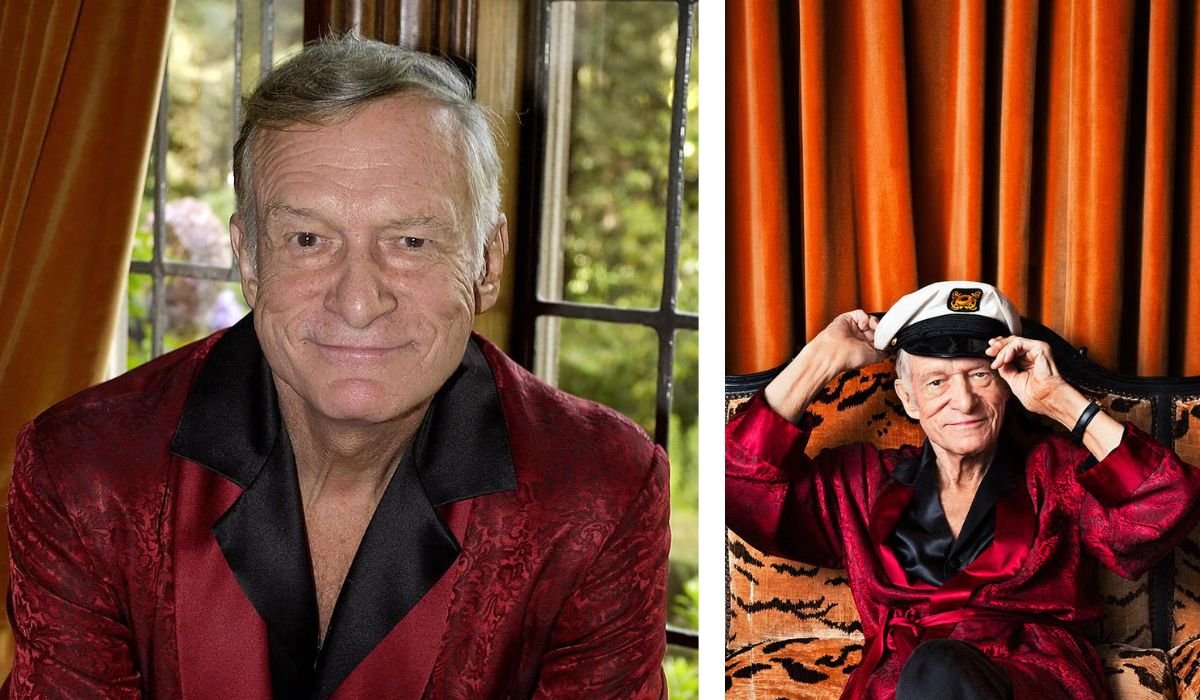
The cultural landscape of the twentieth century was radically reshaped by visionary publishers and media moguls, but few commanded the polarizing adoration and controversial prominence of Hugh Hefner. Born in Chicago, Illinois, in 1926 to conservative educators, he developed an unyielding fascination with media and social liberation that eventually propelled him to the absolute pinnacle of international publishing. Armed with a sharp entrepreneurial vision, iconic silk pajamas, and a provocative editorial philosophy, Hugh Hefner forever transformed modern adult entertainment and consumer culture. Throughout his legendary career spanning decades of cultural combat, publishing innovation, and lifestyle branding, Hugh Hefner constantly pushed the boundaries of societal norms with unapologetic conviction.
Quick Bio Section
- Full Name: Hugh Marston Hefner
- Birth: April 9, 1926, Chicago, Illinois, USA
- Death: September 27, 2017, Los Angeles, California, USA
- Key Enterprise: Founder and Editor-in-Chief of Playboy Magazine
- Notable Legacy: Architect of the sexual revolution and lifestyle branding pioneer
Midwestern Upbringing and Early Journalistic Roots
Growing up in Chicago under the strict moral supervision of Methodist parents, the young Hugh Hefner experienced an emotionally restrained upbringing that sharply contrasted with his future career. Finding solace in cartooning, writing, and comic books during his school years, Hugh Hefner developed an early appreciation for visual media and creative expression. Following service in the United States Army during World War II, Hefner utilized the G.I. Bill to attend the University of Illinois at Urbana-Champaign, where he majored in psychology with a double minor in art. These formative Midwestern years forged the independent intellectual curiosity that would later define Hugh on the national stage.
Early Publishing Gigs and Editorial Frustrations
Entering the professional workforce after college, the ambitious young writer struggled to find a suitable media home, holding various copywriting and circulation jobs with local Chicago publications. Working briefly for Esquire magazine as a subscription copywriter, Hugh Hefner grew frustrated when management denied his request for a modest salary increase. This professional rejection ignited a fiery entrepreneurial ambition within Hugh , convincing him to launch an independent publication tailored to modern urban bachelors. Gathering investors and scraping together spare capital from friends and family, Hugh Hefner began assembling the inaugural issue of a groundbreaking magazine at his kitchen table.
Launching Playboy and the Marilyn Monroe Phenomenon
In December 1953, operating out of his modest Chicago apartment, Hefner published the revolutionary first issue of Playboy, famously featuring unpublished photographs of Marilyn Monroe on the cover. The audacious gamble paid off instantly as newsstands across America sold out within weeks, cementing the immediate commercial success of Hugh . By combining high-end journalism, fiction by legendary authors, sophisticated lifestyle advice, and provocative imagery, Hugh Hefner created a completely new cultural category. The sensational launch established Hugh Hefner as a formidable media titan who understood the hidden desires of postwar American men.
Championing Free Speech and Social Progressivism
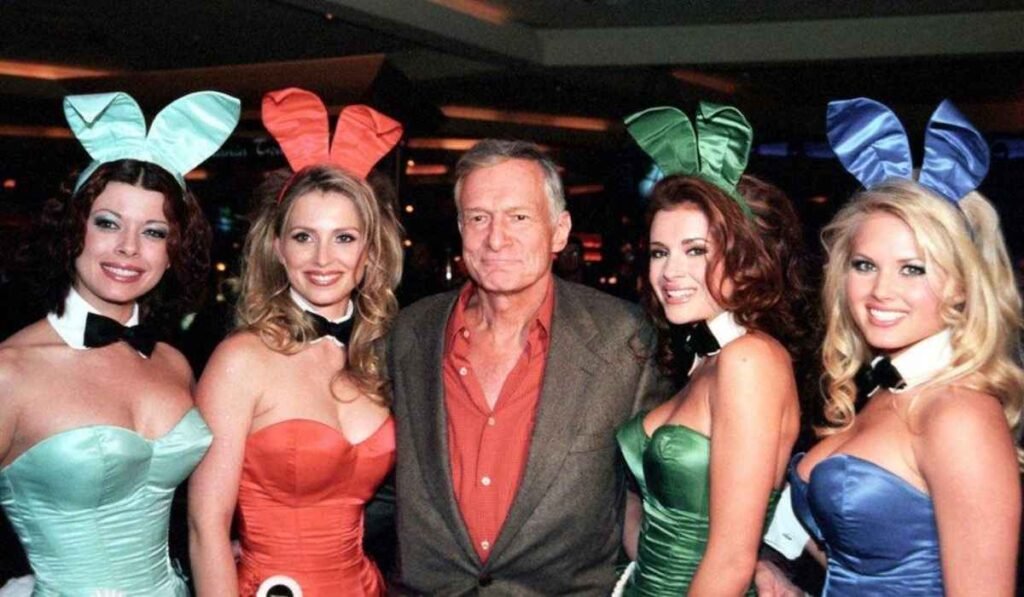
Beyond glossy photography, Hugh Hefner utilized the editorial pages of his magazine to champion controversial social causes, civil rights, and the abolition of antiquated censorship laws. Publishing probing interviews with prominent intellectuals, civil rights leaders, and political dissidents, Hugh proved that his publication offered genuine intellectual substance. Legal battles defending the First Amendment cost Hefner millions of dollars, yet he viewed defending free expression as his paramount civic duty. This fierce advocacy allowed Hugh to position himself as a serious social progressive, proving that Hugh Hefner valued artistic freedom alongside commercial entertainment.
The Playboy Clubs and the Rise of the Bunny Empire
Expanding his brand beyond print media into hospitality and nightlife, Hefner revolutionized urban entertainment by opening the legendary Playboy Clubs, starting in Chicago in 1960. Featuring tuxedo-clad female hosts wearing iconic cottontail costumes, these members-only social hubs became cultural hotspots for celebrities, businessmen, and tourists. The sophisticated empire managed by Hugh Hefner set new standards for luxury nightlife, upscale dining, and exclusive leisure. Managing this expanding corporate web required Hugh to master modern hospitality management, further cementing the global reach of Hugh Hefner across international markets.
The Legendary Chicago Mansion and Media Baron Status
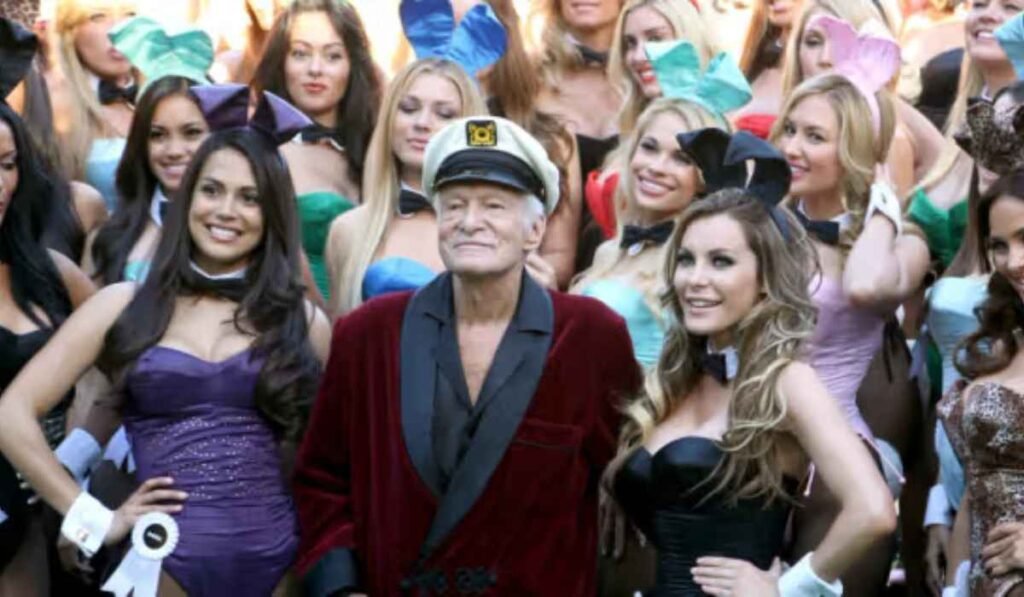
As his publishing empire achieved staggering multi-million-dollar revenues, Hugh Hefner established a lavish lifestyle centered around his sprawling Gothic-style mansion in Chicago. Operating as both a residence and a bustling corporate headquarters, this famous estate allowed Hugh to host round-the-clock parties attended by Hollywood stars, politicians, and jazz legends. Media profiles frequently depicted Hefner as an eccentric bachelor living inside a hermetically sealed world of luxury. This extraordinary success proved that Hugh Hefner had successfully transformed personal lifestyle choices into a highly profitable global corporation overseen by Hugh himself.
Relocating to Los Angeles and Purchasing the Playboy Mansion
Seeking closer proximity to the entertainment industry and a warmer climate, Hefner permanently relocated his primary operations to Los Angeles in the early 1970s. Purchasing the iconic Holmby Hills estate known globally as the Playboy Mansion, Hugh Hefner recreated his legendary party culture on an even grander Hollywood scale. Celebrities, musicians, and international elites competed for invitations to the extravagant gatherings hosted by Hugh . This relocation allowed Hugh to seamlessly integrate his publishing empire with the Hollywood movie and television machinery, keeping Hugh Hefner at the epicenter of pop culture relevance.
Navigating Changing Cultural Tides and Feminist Critiques
As the second-wave feminist movement gained powerful momentum during the 1970s and 1980s, the editorial philosophy and corporate practices of Hefner faced fierce public criticism. Feminist activists argued that the business model championed by Hugh Hefner reduced women to ornamental objects and perpetuated harmful patriarchal stereotypes. Despite facing intense protests and cultural pushback, Hefner defended his lifestyle philosophy as a liberating rebellion against Victorian prudishness. Navigating these turbulent ideological debates forced Hugh to adapt editorial guidelines while maintaining the core identity that Hugh had established decades earlier.
Family Dynamics and Passing the Corporate Torch
Balancing a notoriously hedonistic public lifestyle with traditional family responsibilities, Hefner experienced multiple marriages and fathered four children, eventually passing corporate leadership to his daughter. Appointing Christie Hefner as CEO of the enterprise allowed Hugh to ensure stable corporate governance while retaining his beloved role as chief creative editor. Working alongside family members helped modernize the corporate structure overseen by Hefner, even as digital media began disrupting traditional print publishing. This generational transition proved vital for keeping the vision of Hugh Hefner alive in a changing media landscape.
Later Years, Marriage, and Public Re-examination
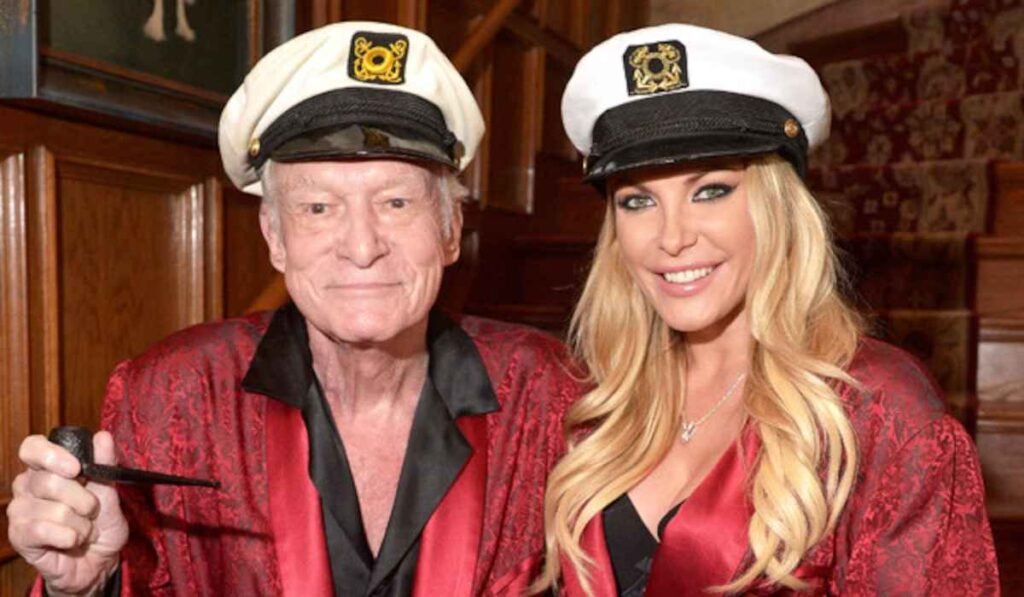
Entering his eighth and ninth decades of life, Hugh remained actively involved in editing and lifestyle branding, eventually marrying crystal-retailer Harris in 2012. Documentaries, biographies, and academic retrospectives produced during his later years offered complex re-examinations of the cultural impact left by Hugh . While critics maintained sharp objections regarding objectification, supporters celebrated how Hugh dismantled mid-century sexual repression. These retrospective analyses ensured that Hugh Hefner remained a deeply discussed historical figure whose controversial legacy continued fascinating modern sociologists and cultural historians alike.
The Final Chapter and Global Mourning
On September 27, 2017, at the age of ninety-one, Hugh Hefner passed away peacefully of natural causes inside his famed Los Angeles mansion, surrounded by loved ones. International news networks interrupted regular programming to report the death of Hugh Hefner, triggering worldwide debates regarding his complicated place in modern history. Admirers and former associates paid tribute to the entrepreneurial brilliance of Hugh Hefner, while critics reflected on the societal costs of his publishing empire. Following his passing, Hugh Hefner was laid to rest in Los Angeles in a crypt directly adjacent to Marilyn Monroe, fulfilling a final romantic symmetry sought by Hugh Hefner.
Archival Preservation and Historical Assessment
In the wake of his passing, the vast historical archives accumulated by Hugh Hefner over seven decades were carefully preserved for academic research and documentary production. Historians analyzing the twentieth-century sexual revolution consistently evaluate the foundational role played by Hugh Hefner in breaking down Victorian taboos. University libraries and cultural institutions continue studying how Hugh Hefner utilized consumer capitalism to alter public discourse surrounding human intimacy. The historical mythology surrounding Hugh Hefner remains an essential case study for understanding the evolution of modern media, free speech, and cultural permissiveness.
The Enduring Influence on Modern Media and Culture
Decades after the launch of his humble Chicago kitchen-table project, contemporary media entrepreneurs, digital content creators, and lifestyle influencers continue citing Hugh Hefner as a pioneering branding innovator. Whenever a modern media company combines provocative editorial content with lifestyle merchandise, the foundational blueprint of Hugh Hefner is unmistakably present. Academics and cultural critics continue debating the contradictory legacy left by Hugh Hefner across generations. Truly, the profound cultural footprint of Hugh Hefner remains an indelible cornerstone of twentieth and twenty-first-century media history.
FAQs
- When was Hugh Hefner born?
- Hugh Hefner was born on April 9, 1926, in Chicago, Illinois.
- What was the name of the magazine he founded in 1953?
- He founded the iconic men’s lifestyle and entertainment publication Playboy.
- Which famous actress appeared on the cover of the very first issue?
- Marilyn Monroe famously appeared on the cover of the inaugural issue.
- When did Hugh Hefner pass away?
- Hugh Hefner passed away on September 27, 2017, at the age of 91.
- Who took over leadership of the company later in his career?
- His daughter, Christie Hefner, served as the CEO of the enterprise for many years.