 admin
admin
Selecting the perfect materials for your home renovation is a pivotal decision that impacts both the aesthetics and long-term value of your property. Among the most popular choices, Ceramic and Porcelain tiles often dominate the conversation, leaving many homeowners wondering which material is truly superior for their specific needs. While these two options may appear remarkably similar at a first glance, their distinct manufacturing processes, durability levels, and moisture-resistant properties create unique performance profiles. Understanding the fundamental differences between these materials will empower you to make an informed choice that balances your budget, design aspirations, and the functional demands of your living space.
| Quick Bio: Ceramic and Porcelain |
| Primary Difference: Porcelain is denser, less porous, and fired at higher temperatures than ceramic. |
| Key Strength: Porcelain excels in high-traffic and wet areas; Ceramic is ideal for walls and low-traffic zones. |
| DIY Suitability: Ceramic is easier to cut and install, making it a favorite for DIY enthusiasts. |
| Core Goal: To select the most durable and aesthetically pleasing tile for your specific environment. |
Understanding the Manufacturing Process
The journey of a tile begins with raw clay and minerals, but the magic happens in the kiln. Porcelain is crafted from a more refined clay mixture and fired at significantly higher temperatures—often exceeding 1,200°C—under intense pressure. This intensive process results in a dense, vitrified material that is nearly impervious to water. In contrast, ceramic tiles use less refined clay and are fired at lower temperatures, creating a more porous structure. This difference in intensity is the primary reason why their performance characteristics vary so dramatically in real-world home applications.
Durability and High-Traffic Areas
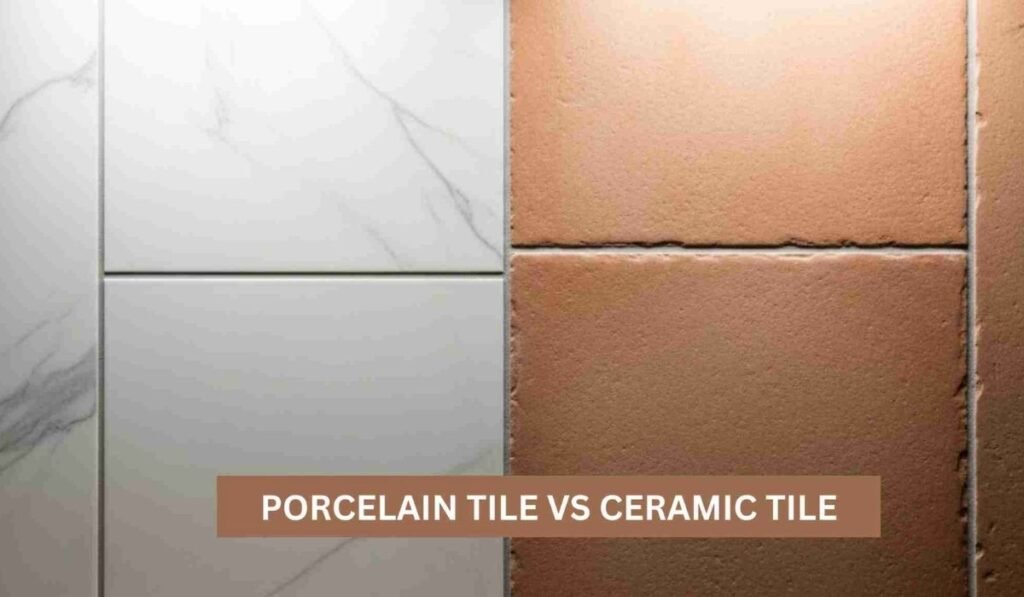
When it comes to longevity, Porcelain stands as the industry champion for high-traffic environments. Its incredible density allows it to withstand heavy footfall, making it the perfect choice for busy entryways, hallways, and kitchen floors where wear and tear are inevitable. Ceramic tiles, while still durable enough for many domestic settings, lack the same hardness and are more prone to chipping under extreme pressure. If your household includes active pets or young children, investing in the superior strength of porcelain will provide peace of mind and protect your investment for decades to come.
Moisture Resistance and Wet Zones
Moisture is the natural enemy of porous materials, and this is where Porcelain truly outperforms its counterpart. With a water absorption rate of less than 0.5%, it is virtually waterproof, making it the ideal selection for shower floors, bathrooms, and outdoor patios where exposure to the elements is constant. Ceramic tiles are more porous, typically absorbing more water, which makes them less suitable for areas with consistent moisture unless they are perfectly waterproofed. For bathroom renovations, choosing porcelain ensures you are building a space that is resistant to mold, mildew, and structural deterioration over time.
The Ease of DIY Installation
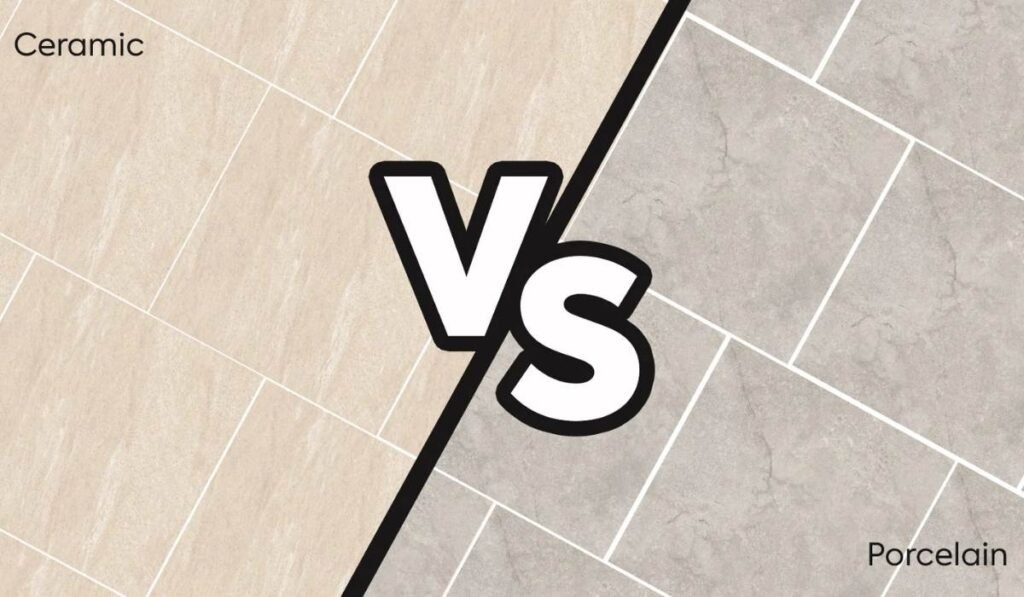
For the ambitious DIY homeowner, Ceramic is often the preferred path. Because the material is softer and less dense, it is remarkably easy to cut, drill, and shape to fit into awkward corners or around complex fixtures like light switches. Porcelain, due to its extreme hardness, typically demands professional-grade tools and a higher level of expertise to cut and install without damaging the tile. If you are looking to save on labor costs by handling the project yourself, the user-friendly nature of ceramic makes it a practical, budget-conscious choice for many interior renovations.
Budgeting for Your Renovation
Budget is often a deciding factor, and Ceramic typically offers a more affordable entry point. Because the manufacturing process is less complex, these tiles are widely available at a lower price per square foot. However, remember to factor in the total cost of ownership; while porcelain has a higher upfront price, its incredible durability and lifespan often make it a smarter long-term investment. When working with a strict budget, ceramic allows you to achieve a beautiful, high-end look without breaking the bank, provided the location is not subjected to heavy, demanding traffic.
Design Flexibility and Aesthetics
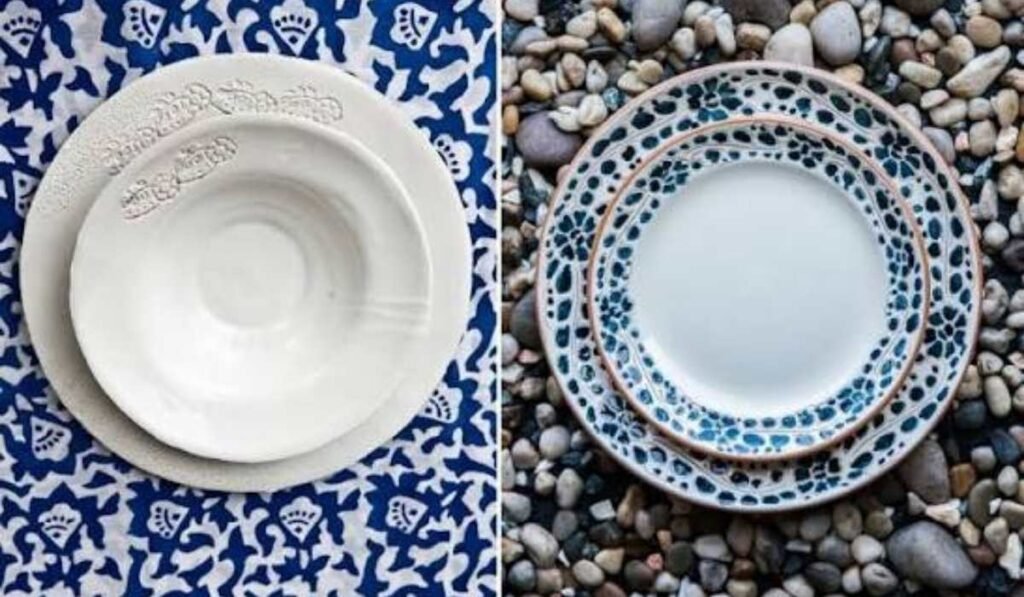
Both materials offer a vast spectrum of colors, patterns, and finishes, ensuring you never have to sacrifice style for performance. Ceramic often shines in bold, intricate patterns and vibrant glazes, making it a fantastic choice for decorative backsplashes or accent walls. Porcelain, meanwhile, is the master of mimicry. Modern technology allows porcelain to realistically replicate natural wood, marble, and concrete, giving you the sophisticated look of premium materials with the maintenance-free benefits of a dense, manufactured tile. Your choice ultimately depends on the specific aesthetic vibe you want to create in your home.
Maintenance and Daily Care
Life is busy, and low-maintenance surfaces are a blessing. Because Porcelain is non-porous and highly stain-resistant, it is incredibly easy to keep clean with simple sweeping and occasional mopping. Ceramic is also quite easy to clean, but its more porous body makes it slightly more susceptible to staining if a spill is left unattended. Furthermore, if a ceramic tile chips, the colored clay underneath might be visible, whereas through-body porcelain tiles hide such minor blemishes effectively. For high-traffic areas, porcelain’s ability to maintain its appearance with minimal effort is a major advantage.
Suitability for Outdoor Applications
If your project involves outdoor spaces, Porcelain is the only real contender. Its frost resistance and minimal water absorption make it capable of surviving temperature fluctuations, heavy rain, and direct sunlight without cracking or fading. Ceramic, being more porous and prone to moisture expansion, is generally not recommended for outdoor areas, as it can easily crack during cold winter months. When planning a patio, walkway, or pool deck, always opt for outdoor-rated, slip-resistant porcelain to ensure safety and longevity in your exterior landscaping design.
Underfloor Heating Compatibility
For homeowners planning to install underfloor heating, Porcelain is the clear winner. Its low water absorption rate and high thermal mass allow it to distribute heat evenly and efficiently across the room, providing a comfortable and consistent temperature. While ceramic can work with some heating systems, porcelain’s density makes it more responsive and durable under the constant thermal expansion and contraction that comes with heated floors. If comfort is a priority in your master bedroom or bathroom, investing in the right type of porcelain tile will enhance your home’s overall heating performance.
The Weight and Structural Considerations
Porcelain tiles are significantly heavier and denser than their ceramic counterparts. While this speaks to their quality, it also means that your subfloor must be strong enough to support the added weight. For wall applications, especially on drywall, the lighter weight of Ceramic is a distinct advantage, as it reduces the risk of the tiles pulling away from the substrate. Always consult with a professional regarding your subfloor’s load-bearing capacity before choosing a heavy material like large-format porcelain, especially for second-story bathroom or kitchen projects.
Versatility in Commercial vs Residential
While Porcelain is a staple for commercial flooring due to its rugged durability, it is equally prized in residential homes for its sophisticated appeal. Ceramic fits perfectly into residential settings where the focus is on aesthetics rather than extreme performance, such as in powder rooms or guest spaces. The choice between the two often comes down to the intended lifecycle of the space. If you are designing a forever home, porcelain’s superior performance ensures your floors look as good in twenty years as they do the day they are installed.
Slip Resistance and Safety
Safety is paramount in any home, especially in wet areas. Many porcelain tiles are engineered with specific slip-resistant textures, making them a safer choice for bathroom floors and outdoor environments. Ceramic can also be glazed for added grip, but it lacks the same natural density and consistency as premium porcelain. When selecting tiles for an aging-in-place renovation or a space frequented by elderly family members, prioritize tiles with a high slip-resistance rating. Porcelain’s range of specialized finishes makes it easier to find a product that is both beautiful and inherently safe.
The Impact on Resale Value
Renovating with high-quality materials is a direct investment in your property’s market appeal. Prospective buyers often look for durability and low-maintenance features, which is why Porcelain is viewed as a premium upgrade. While Ceramic is perfectly acceptable, using porcelain in main living areas can signal a commitment to quality that adds tangible value during a home appraisal. If you are considering a renovation with resale in mind, focusing on durable, long-lasting materials like porcelain for your floors is a strategic move that pays dividends when it comes time to sell your home.
Color Permanence and Glazing
One of the distinct benefits of Porcelain is the “through-body” color option, where the tile’s hue extends completely through its cross-section. This means that even if a heavy object is dropped and chips the surface, the damage is nearly invisible. Ceramic tiles, conversely, are typically glazed, meaning the color is only on the outer layer. While modern glazes are incredibly durable, they cannot compete with the wear-hiding capabilities of through-body porcelain. For spaces that see heavy impact, the consistent coloration of porcelain is a major functional and visual benefit.
Sourcing and Availability
Because both materials are incredibly popular, you will find an endless variety of options at most retailers. However, the market for Porcelain is growing rapidly due to its technical advantages, meaning you may find a broader range of high-performance and large-format options in porcelain than in traditional ceramic. Whether you are visiting a local showroom or browsing online, don’t be afraid to ask for samples to test the durability and color in your own lighting. Understanding the difference between the two allows you to navigate the vast market with confidence and precision.
Addressing the “Ceramic vs Porcelain” Misconception
It is a common point of confusion, but remember that all porcelain is a type of ceramic, but not all ceramic is porcelain. They are essentially siblings in the world of tile, sharing the same basic ingredients but treated with different “life experiences” in the kiln. When you stop viewing them as opposites and start seeing them as tools for different jobs, your renovation process becomes much simpler. Use the lighter, more budget-friendly ceramic for your decorative wall projects and the heavier, denser porcelain for your demanding floor and outdoor applications.
Technical Testing and Standards
When browsing, look for the technical ratings provided by manufacturers, such as the breaking strength or water absorption rates. These ratings are not just marketing jargon; they provide an objective way to compare the performance of different products. Porcelain generally meets higher technical standards for slip resistance, hardness, and wear, making it the safer bet for commercial or heavy-use residential areas. Understanding these ratings can prevent costly mistakes, ensuring that the material you choose is actually capable of handling the environment it is placed in.
Environmental and Sustainability Impact
If sustainability is a core value for your project, both materials offer benefits as natural, mineral-based products. Porcelain’s incredible lifespan means it won’t need to be replaced as often as less durable materials, effectively reducing waste over the life of your home. Many manufacturers now employ closed-loop water systems and sustainable energy sources during production, further enhancing the eco-friendly profile of modern porcelain and ceramic. When selecting products, look for brands with strong environmental commitments to ensure your renovation is as green as it is beautiful.
Future Trends in Tile Technology
The world of tile is evolving, with new digital printing technologies allowing for textures and looks that were previously impossible. Today, porcelain can mimic the look of rustic wood grain, weathered stone, and intricate textiles with staggering realism. Ceramic is also keeping pace, offering brighter, more vivid glazes that are perfect for artistic expression. As technology progresses, the performance gap between the two is becoming even more defined, allowing homeowners to pick materials that are custom-tailored to their aesthetic and functional needs.
Final Decision: Your Needs First
The ultimate choice between Ceramic and Porcelain boils down to your project’s specific requirements. If you are tiling a kitchen backsplash, the affordability and ease of ceramic are hard to beat. If you are tackling a high-moisture bathroom or a busy kitchen floor, the durability and water resistance of porcelain are investments you will never regret. Take the time to evaluate the foot traffic, moisture levels, and your own comfort with DIY installation before finalizing your order. By aligning the material’s strengths with your project’s demands, you ensure a successful renovation that stands the test of time.
- Which is better for bathroom floors: ceramic or porcelain?
- Porcelain is the superior choice for bathroom floors due to its extremely low water absorption rate, superior slip resistance, and high durability against moisture.
- Can I use ceramic tiles for outdoor areas?
- No, ceramic tiles are generally not recommended for outdoor use because their porous nature makes them susceptible to cracking in cold weather.
- Is porcelain tile worth the extra cost?
- Yes, porcelain is considered a smarter long-term investment for high-traffic and wet areas because of its exceptional durability, stain resistance, and longevity.
- Are ceramic tiles easier to install for DIY projects?
- Yes, ceramic tiles are lighter and softer than porcelain, making them much easier to cut, drill, and install without specialized professional tools.
- Do I need to seal my tiles?
- Most high-quality porcelain tiles do not require sealing, though the grout lines may benefit from it to keep them looking clean and stain-free over time.