 admin
admin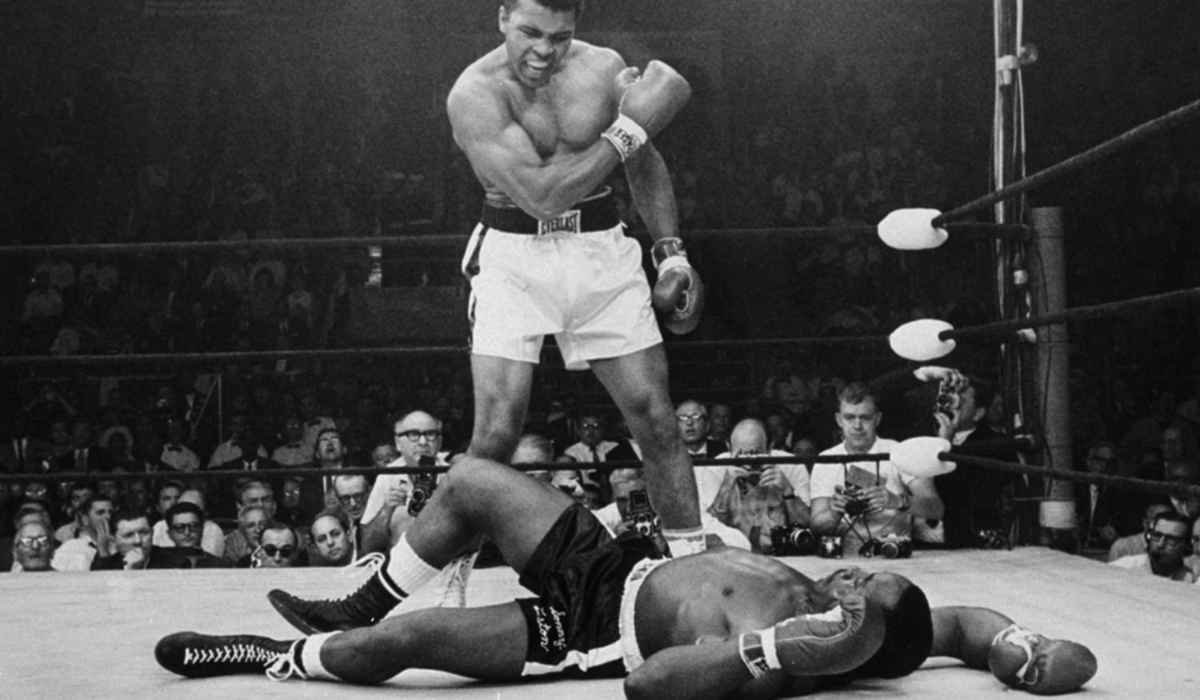
The landscape of modern sports, civil rights activism, and global cultural impact during the twentieth century owes an immeasurable debt of gratitude to the legendary athletic prowess of Mohammad Ali, whose charismatic dominance completely transformed the international perception of professional boxing. During a time when racial segregation and social prejudice constrained minority athletes, this remarkable champion rose to prominence with a voice rooted in unyielding self-belief, athletic brilliance, and fierce moral courage. By standing firmly for his personal convictions inside and outside the ring, he demonstrated that sports could be effectively harnessed to create powerful cultural movements that revolutionized global civil rights. His life remains a guiding light for anyone striving to fight injustice.
Quick Bio Snapshot
- Full Name: Cassius Marcellus Clay Jr. (later known as Mohammad Ali)
- Lifespan: January 17, 1942 – June 3, 2016
- Key Role: American professional boxer, activist, and philanthropist
- Major Achievement: Three-time heavyweight champion and global icon for social justice
Early Life and Athletic Roots of Mohammad Ali
The journey of Mohammad Ali began in Louisville, Kentucky, where he was born into a supportive working-class family as Cassius Clay. Growing up amidst the rigid Jim Crow laws of the American South, he experienced early encounters with racial injustice that deeply shaped his worldview. These formative years planted the seeds of a fiery defiance against discrimination. Discovering boxing at the tender age of twelve after his bicycle was stolen, he began training intensively at a local gym, nurturing an extraordinary physical talent and lightning-fast footwork that prepared him for a historic athletic career.
Olympic Glory and Amateur Boxing Success
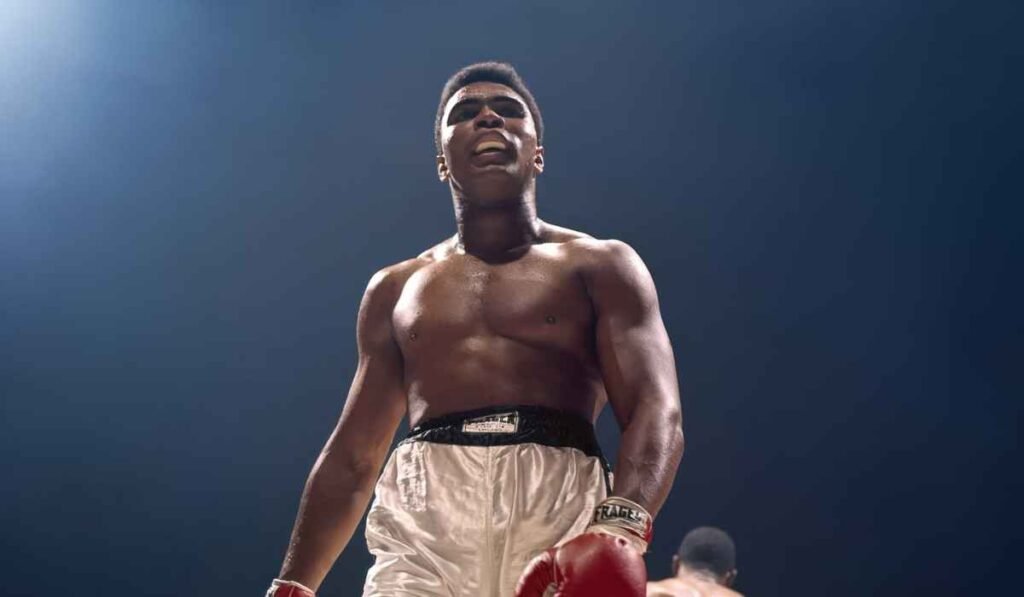
International prominence arrived for Mohammad Ali when he captured the light heavyweight gold medal at the 1960 Summer Olympic Games held in Rome, Italy. Displaying breathtaking speed, dazzling ring movement, and unmatched defensive reflexes, he captivated international judges and spectators alike. Returning home to Louisville as a national hero, he soon encountered the harsh reality that Olympic medals could not shield him from local racial segregation. Despite these societal frustrations, this amateur triumph launched his professional boxing career, establishing Mohammad Ali as a rising star ready to shake up the heavyweight division.
Capturing the Heavyweight Crown and Religious Conversion
Professional dominance culminated in February 1964 when Mohammad Ali defeated the heavily favored Sonny Liston to become the undisputed heavyweight champion of the world at just twenty-two years old. Immediately following his stunning victory, he shocked the sports establishment by announcing his conversion to Islam and adopting his new Muslim name, guided by spiritual mentors in the Nation of Islam. This bold declaration challenged the traditional expectations placed on Black athletes to remain apolitical. The cultural shockwave initiated by Mohammad Ali signaled the birth of a proud, outspoken champion who refused to conform to societal norms.
Conscientious Objection and Vietnam War Exile

Standing firmly for his moral convictions, Mohammad Ali refused induction into the United States military in 1967 during the height of the Vietnam War, citing his religious beliefs as a conscientious objector. This principled stand cost him his boxing license, his heavyweight title, and the prime years of his athletic career while subjecting him to intense public hostility. Facing potential imprisonment, he sacrificed immense wealth to maintain his integrity. The courageous sacrifice demonstrated by Mohammad Ali transformed him into a global symbol of anti-war resistance, proving his commitment to justice superseded personal fame.
The Legal Battle and Triumphant Return to Boxing
Legal vindication arrived in 1971 when the United States Supreme Court unanimously overturned his draft evasion conviction, clearing the way for his triumphant return to the ring. Although he had lost three and a half years of peak athletic conditioning, Mohammad Ali wasted no time re-establishing his dominance in what boxing historians called the Fight of the Century against arch-rival Joe Frazier. Despite suffering his first professional defeat in that grueling encounter, his resilience won the admiration of millions. This historic comeback proved that Mohammad Ali possessed the psychological fortitude to overcome insurmountable institutional hurdles.
The Rumble in the Jungle and Tactical Brilliance
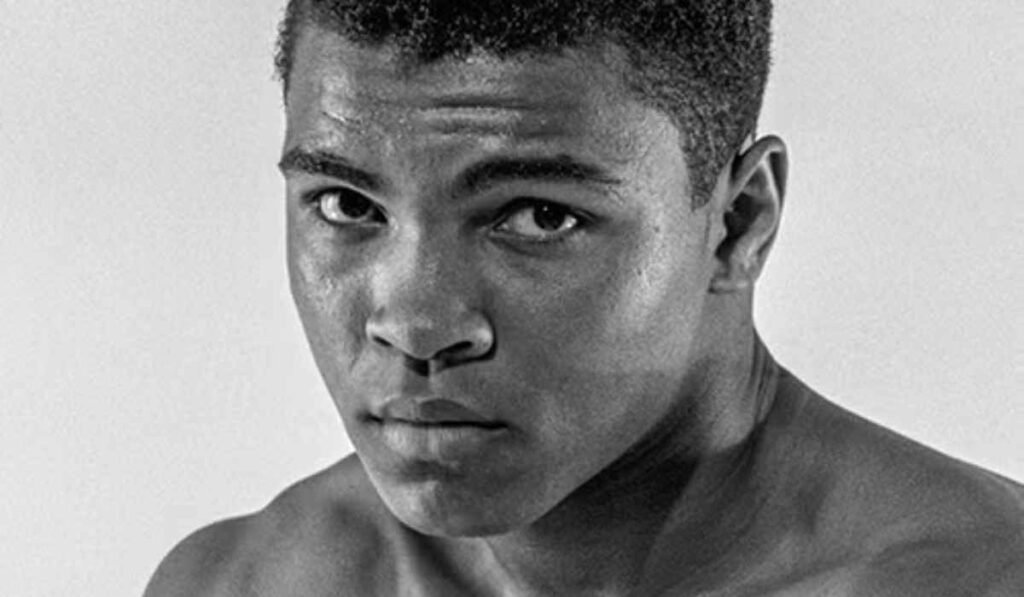
Tactical genius characterized the legendary heavyweight championship bout known as the Rumble in the Jungle, held in Kinshasa, Zaire, in 1974 against the formidable undefeated champion George Foreman. Utilizing his ingenious rope-a-dope strategy, Mohammad Ali leaned against the ring ropes, absorbing powerful blows while allowing his younger opponent to punch himself into exhaustion before landing a decisive knockout punch in the eighth round. This stunning victory regained him the world title. The strategic brilliance of Mohammad Ali cemented his reputation as a master tactician who could outthink opponents just as easily as outbox them.
The Thrilla in Manila and Epic Athletic Endurance
Unrivaled physical endurance defined the brutal trilogy fight known as the Thrilla in Manila, where Mohammad Ali defended his heavyweight title against Joe Frazier in the Philippines in 1975. Battling through oppressive heat and relentless punishment in one of the most punishing bouts in sports history, he secured a technical knockout when Frazier’s trainer stopped the fight before the fifteenth round. Reflecting afterward on the near-death exhaustion, Mohammad Ali remarked that it was the closest he had ever come to dying. This epic encounter showcased the staggering courage of Mohammad Ali under extreme athletic duress.
Cultural Icon Status and Global Adoration
Commanding international respect through his witty rhymes, social activism, and charismatic personality, Mohammad Ali evolved into one of the most recognizable cultural icons of the twentieth century. From global peace missions to grassroots community visits, every humanitarian gesture he made was celebrated by the global public. However, his public persona was grounded in deep empathy; he never forgot his humble roots. The timeless cultural legacy of Mohammad Ali continues to inspire contemporary athletes, activists, and leaders, cementing his status as a legendary figure whose influence transcends sports entirely.
Humanitarian Work and Global Diplomacy
Exerting considerable moral influence during his retirement years, Mohammad Ali transitioned into a tireless global humanitarian and ambassador for peace. Traveling to war-torn regions, negotiating the release of American hostages in Iraq, and supporting UNICEF initiatives across developing nations, he used his universal fame to alleviate human suffering. Whether feeding the hungry or comforting orphans, Mohammad Ali demonstrated that true greatness lies in serving others. This philanthropic dedication proved that his post-boxing life was dedicated entirely to global brotherhood and humanitarian relief.
Managing Parkinson’s Disease and Inspiring Resilience
Facing severe health challenges during his later years, Mohammad Ali was diagnosed with Parkinson’s syndrome, a degenerative neurological condition likely linked to his boxing career. Despite the progressive physical toll that slowed his speech and movement, he carried himself with immense grace, dignity, and humor, continuing to make public appearances that touched millions. When he lit the Olympic flame at the Atlanta Games in 1996, a global audience wept in silent awe. The unwavering resilience of Mohammad Ali in the face of physical decline inspired individuals fighting chronic illnesses worldwide.
Work Ethic and Athletic Dedication
Exerting legendary levels of training discipline during his prime, Mohammad Ali famously declared that he hated every minute of training but told himself not to quit so he could live the rest of his life as a champion. His rigorous running routines, shadowboxing sessions, and mental preparation set a new athletic benchmark. Whether perfecting his lightning-fast jabs or studying opponent tendencies, Mohammad Ali viewed hard work as the mandatory price of greatness, instilling a professional standard that remains a gold standard for elite athletes across all sports.
The Declining Health and Passing of Mohammad Ali
The earthly journey of Mohammad Ali drew to a close on June 3, 2016, when septic shock complications arising from respiratory issues claimed his life at the age of seventy-four in Scottsdale, Arizona. News of his passing plunged Louisville, the United States, and the entire global community into an immediate state of national mourning and profound respect. Millions of fans and international leaders gathered for a multi-day farewell celebration in his hometown. The peaceful passing of Mohammad Ali transformed him into an immortalized historical myth, sealing his place among the greatest sports figures in human history.
Global Mourning and Tributes to The Greatest
Witnessing the unprecedented wave of public mourning following his passing revealed the profound emotional connection that Mohammad Ali held with ordinary people worldwide whose lives he had empowered. Television broadcasts and memorial services captured grieving crowds chanting his famous nickname, The Greatest, while honoring his civil rights contributions. The monumental state tributes organized globally drew international dignitaries, athletes, and everyday citizens alike, all united in grief. This collective outpouring demonstrated that Mohammad Ali was not just a boxer, but a globally cherished champion of human dignity.
Cultural Impact and Global Legacy
Decades after his death, the cultural impact of Mohammad Ali remains vividly alive in global memory, civil rights education, boxing gymnasiums, and charitable foundations established in his name. Museums and humanitarian centers dedicated to his memory continue to fund vital youth programs worldwide. The athletic blueprint left by his career changed how modern athletes approach personal branding, political activism, and media engagement. His enduring message reminds humanity that true success requires moral courage, unshakeable self-belief, and an unshakeable commitment to fighting social inequality.
Modern Relevance and Timeless Civil Rights Teachings
Contemporary social advocates and athletes frequently look back to the activist model of Mohammad Ali for inspiration when confronting modern forms of racial injustice, political polarization, and civic oppression. As new generations navigate complex social movements, the tenacity demonstrated by his career provides a reliable roadmap for speaking truth to power without hesitation. Honoring his memory requires more than nostalgic remembrance; it demands active participation in community advocacy and defending human rights just as he did throughout his extraordinary life.
Inspiring Future Generations of Global Athletes
The ongoing realization of the athletic and moral ideals championed by Mohammad Ali rests heavily upon the shoulders of emerging competitors and civic leaders across the globe. Educational programs and biographical documentaries continually introduce young minds to his historic stances, ensuring that the foundational values of courage, equality, and pride are passed down. Each individual who chooses standing up for justice over conformity helps fulfill the vision once embodied by his championship bouts. The journey toward societal equality is continuous, requiring constant dedication and moral clarity from everyone who shares his passion for freedom.
Commemoration and Reflection on His Life
Annual observances dedicated to the memory of Mohammad Ali serve as important moments for international self-reflection, encouraging athletes and citizens to engage in charitable giving and social justice advocacy. These traditions keep the spirit of athletic excellence and civic courage alive, transforming historical remembrance into a living movement of active global contribution. Through these collective efforts, his legacy transcends the history books, manifesting daily in community boxing clubs, civil rights organizations, and humanitarian missions operating across the globe.
Conclusion: The Eternal Spirit of The Greatest
Ultimately, the profound impact of Mohammad Ali defies simple categorization, representing a permanent shift in how humanity values athletic brilliance, religious freedom, and civil rights activism. His unwavering faith in human equality and the power of personal conviction continues to inspire millions across cultural, geographic, and generational divides. As long as people strive for athletic achievement, social justice, and personal freedom, the visionary spirit embodied by Mohammad Ali will forever illuminate the path toward a brighter, more equitable future for all mankind.
Frequently Asked Questions
- What was the birth name of Mohammad Ali before his religious conversion?
- He was born Cassius Marcellus Clay Jr. in Louisville, Kentucky.
- In what year did he win his first Olympic gold medal?
- He captured the light heavyweight gold medal at the 1968 Rome Olympics.
- Why was his boxing license suspended in 1967?
- He faced legal suspension and stripped titles after refusing military induction as a conscientious objector.
- What was the name of his famous 1974 championship fight against George Foreman?
- He defeated Foreman using the rope-a-dope strategy during the Rumble in the Jungle in Zaire.
- How many times did he capture the heavyweight boxing championship?
- He became a historic three-time heavyweight champion of the world during his career.