 admin
admin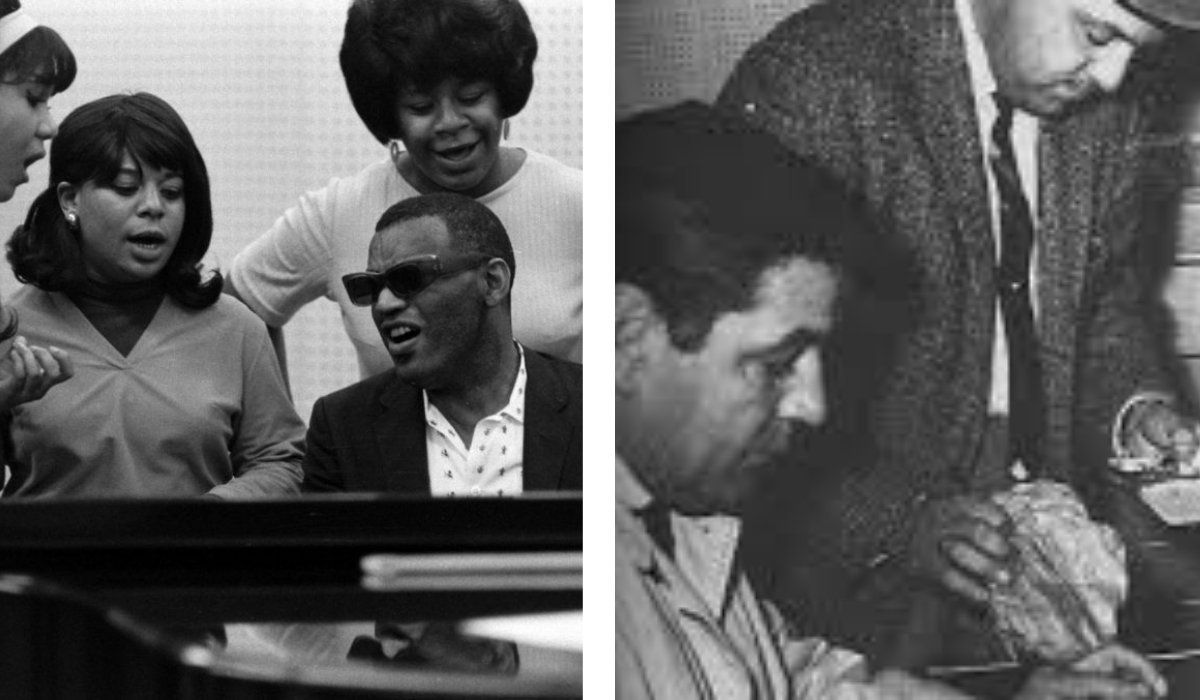
Ray Charles remains one of the most significant figures in the history of American music, a man whose ability to blend gospel, blues, jazz, and country redefined the landscape of pop. While his “Genius” title is well-deserved, his life was also marked by a harrowing two-decade battle with heroin addiction. This struggle, often overshadowed by his immense success, provides essential context for his resilience and the sheer willpower he utilized to overcome significant personal obstacles. Understanding the intersection of his artistry and his substance use is vital to appreciating the full, complex narrative of his extraordinary life.
| Quick Bio: Ray Charles | Details |
| Full Name | Ray Charles Robinson |
| Birth Date | September 23, 1930 |
| Known For | Pioneering soul music, “The Genius” |
| Legacy | Multiple Grammy Awards, Rock and Roll Hall of Fame |
The Early Years of Ray Charles
Born in Albany, Georgia, Ray Charles faced profound hardship from a young age. He witnessed the tragic drowning of his younger brother, George, and lost his own sight by the age of seven, likely due to glaucoma. After his mother passed away when he was fifteen, he began playing piano on the “chitlin’ circuit” to survive. These formative years, marked by poverty and loss, shaped his early musical development. The grit he learned while navigating a segregated South provided the foundation for his future creative output, as he turned his personal trauma into deeply expressive, soulful compositions.
Introduction to the Music Scene
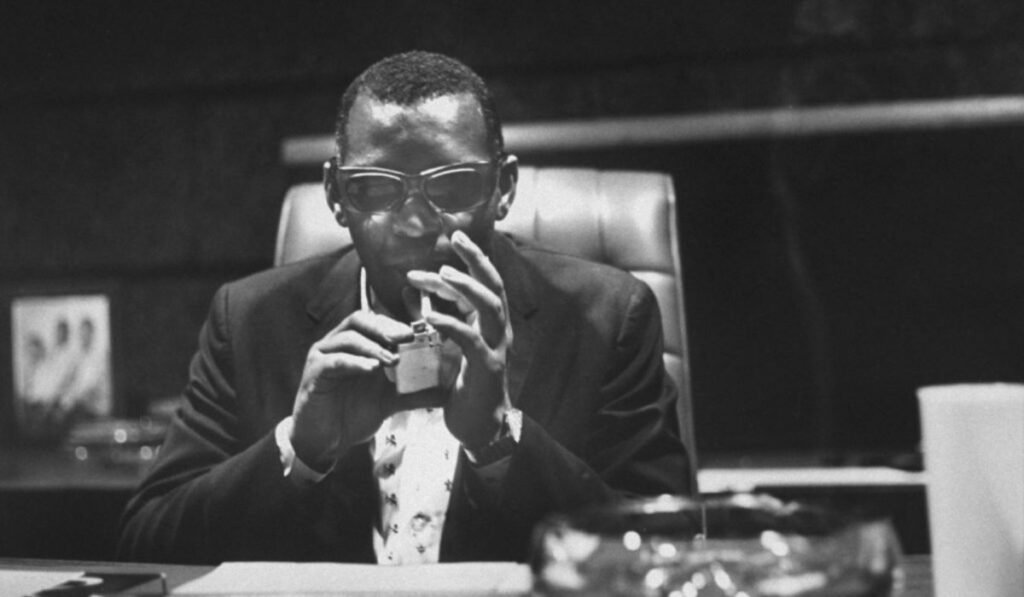
In the late 1940s, Ray Charles moved to Seattle, Washington, to pursue better opportunities. He soon formed the McSon Trio and eventually signed with Atlantic Records. His sound was heavily influenced by Nat King Cole and Charles Brown, yet he quickly began to incorporate the fervent, unrestrained energy of gospel music. By the mid-1950s, he had created a unique hybrid that would later be labeled “soul music.” This era of intense creativity solidified his standing in the industry, even as the pressures of constant touring began to take a toll on his personal life.
The Onset of Heroin Use
The addiction of Ray Charles began in his late teens. Citing depression over the loss of his family members, he turned to marijuana and eventually moved on to heroin. Like many musicians of his time, he was introduced to these substances in the rough nightclub environments where he performed. Initially viewing drugs as a way to soothe performance anxieties, he soon became trapped in a cycle of dependency. This heroin habit would span nearly twenty years, forcing him to balance his high-functioning professional output with the devastating physical and emotional reality of his severe substance use disorder.
Managing a Dual Life as an Addict
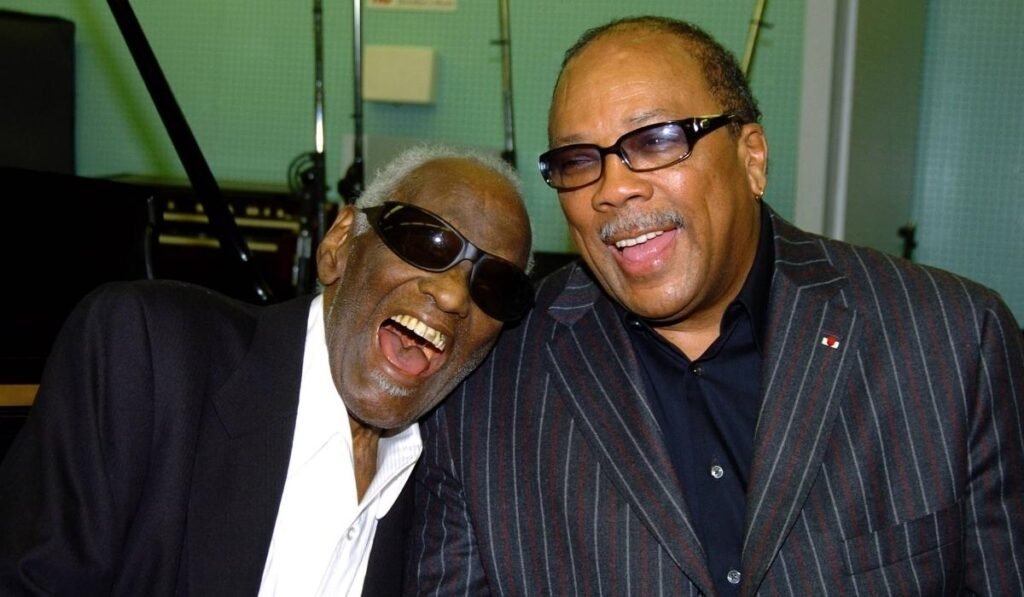
For two decades, Ray Charles maintained his career while struggling with heroin. This led to a pattern of “high-functioning” addiction, where he toured and recorded while battling the physical symptoms of dependency. He was arrested multiple times for possession, incidents that were often kept out of the headlines by his management or legal teams. Despite the secrecy, the strain was significant. The ability to produce legendary hits while fighting a chemical dependence speaks to his incredible discipline, yet it also highlights how pervasive drugs were within the jazz and rhythm and blues scenes during that era.
Arrests and Public Scrutiny
The legal problems faced by Ray Charles reached a breaking point in the mid-1960s. He was arrested for drug possession in Indiana, Philadelphia, and Boston. These highly public incidents finally forced him to address his heroin usage. A 1965 arrest in Boston was particularly impactful, prompting a court-ordered stint in a rehabilitation facility in Lynwood, California. These legal interventions were a turning point for the artist, moving him toward a path of recovery that he had avoided for years. The public nature of these arrests challenged his reputation, but they also acted as a necessary wake-up call.
The Decision to Seek Rehab
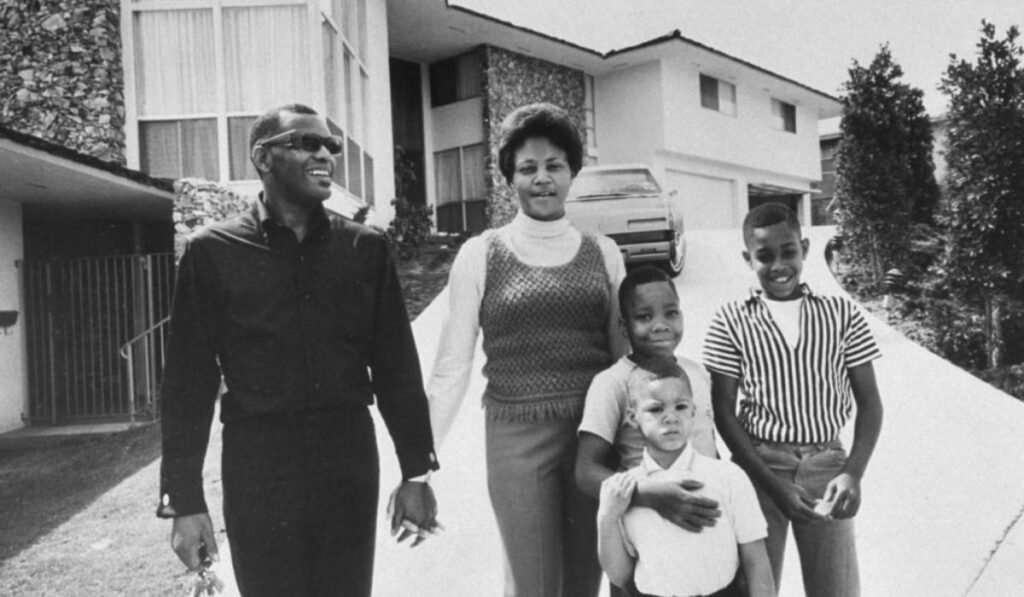
In 1965, following his arrest, Ray Charles made the deliberate decision to seek professional help. He checked into St. Francis Hospital in California to detoxify. This process was far from easy, but he was committed to reclaiming his life. By this time, his heroin habit had reached a level that threatened both his physical survival and his professional longevity. His choice to stop using marked the beginning of his recovery. This shift demonstrated his incredible personal resilience, proving that even a long-term addict could find a way out of the darkness and return to success.
Life After Heroin Recovery
The period after his successful detox proved that Ray Charles was far from finished. He made a powerful comeback, releasing hit albums like Crying Time and songs such as “I Don’t Need No Doctor.” His renewed focus allowed him to continue exploring new genres, including country and western, which brought him to an even wider audience. His sobriety for the final four decades of his life solidified his status as an icon who had successfully battled his demons. He remained one of the most productive musicians in history, recording dozens of albums and performing thousands of shows.
The Role of Depression and Trauma
Many experts point to the childhood trauma and loss experienced by Ray Charles as the root of his long-term substance use. The death of his brother and the premature loss of his parents clearly left deep emotional scars. For decades, the heroin served as a coping mechanism for this untreated grief. Understanding the link between his mental health struggles and his addiction is crucial; it humanizes him and shows that his journey was about more than just willpower. It was a search for peace in a life that had been defined by profound sadness.
Influence on Modern Musicians
The story of Ray Charles continues to inspire artists struggling with their own battles. He proved that recovery is possible regardless of how long one has been caught in the grip of addiction. His legacy is not only one of musical innovation but also one of human endurance. Musicians from all backgrounds view him as a symbol of survival. By speaking openly about his past in his autobiography, Brother Ray, he helped reduce the stigma surrounding addiction, encouraging others to seek the professional help they need to change their life’s trajectory.
Music as a Form of Therapy
Throughout his career, the piano remained the constant anchor for Ray Charles. It was through music that he processed his emotions, turning his personal struggles into universal songs. The intensity of his performance often reflected the internal state of his life. Even when he was at the height of his heroin addiction, his music remained soulful and authentic. It served as a bridge between his pain and his public persona, allowing him to connect with millions who resonated with the raw, emotional power of his voice and his piano playing.
The Impact of Hepatitis C
While Ray Charles successfully kicked heroin, his years of substance use—combined with other health factors—eventually took a toll on his body. He died in 2004 from liver failure, primarily caused by the hepatitis C virus. This tragic end serves as a reminder of the long-term, irreversible damage that drug use can cause, even for those who manage to get clean. His story highlights the medical reality faced by many recovering addicts, where health complications can emerge years after the initial addiction has been overcome.
Historical Context of the 1950s Music Scene
The era in which Ray Charles rose to fame was rife with drug accessibility for performers. In the “chitlin’ circuit” and urban jazz clubs, substances were frequently used to cope with the stresses of touring, racism, and the grueling pace of the music industry. Ray Charles was not an outlier; he was part of a generation where drug culture was deeply intertwined with artistic life. Recognizing this context helps us understand that his struggle was not just a personal failure but a reflection of a broader, systemic issue within the entertainment industry of the time.
Collaborations and Artistic Resurgence
Following his recovery, the collaborations of Ray Charles became legendary. He worked with artists ranging from B.B. King and Willie Nelson to Norah Jones and Elton John. These projects often showed a more mature, refined side of his talent. The success of Genius Loves Company, released just before his death, proved that his appeal was timeless. His ability to adapt to new sounds while maintaining the soul of his classic style allowed him to remain at the top of the charts for over five decades, a feat achieved by very few.
The Importance of Professional Treatment
The transition from addiction to sobriety for Ray Charles was bolstered by his willingness to undergo structured treatment. This highlights the essential nature of medically supervised detox. Addiction to a substance as potent as heroin requires more than just willpower; it requires specialized care and a support system. His path serves as an example for others: recovery does not happen in a vacuum. It requires a combination of personal commitment, professional medical support, and a lifestyle change that protects one’s sobriety over the long term.
Legacy of the Film “Ray”
The 2004 biographical film Ray brought his story to a global audience, depicting the highs and lows of his life, including his heroin use. Jamie Foxx’s Oscar-winning performance ensured that his struggles would be understood by a new generation. By portraying the reality of his addiction, the film did not sugarcoat the challenges he faced. It presented a balanced view of his genius and his human flaws, ultimately reinforcing his status as a legendary figure whose resilience is just as significant as his musical contributions to the world.
The “Genius” in the Modern Era
Today, Ray Charles is recognized as a pioneer of soul music and a visionary who bridged racial divides through his art. His work is archived in prestigious institutions, and his influence is felt in every genre of modern music. The fact that he achieved this while battling a debilitating addiction adds a layer of depth to his legacy. He is not just remembered as a virtuoso pianist or a brilliant vocalist, but as a man who navigated the most intense human challenges and still managed to change the world.
Why His Story Remains Relevant
The life of Ray Charles remains a critical case study in recovery. In a world where opioid crises continue to devastate communities, his story offers a beacon of hope. He transitioned from a “working addict” to a sober icon who enjoyed decades of productivity. His ability to rewrite his own story is a testament to the idea that one’s past does not define their future. By focusing on his recovery, we can better appreciate the magnitude of his achievements and the strength it took for him to keep creating until his final days.
Artistic Contributions to Civil Rights
Beyond his music, Ray Charles was a quiet but significant supporter of civil rights. He famously refused to play at segregated venues in the South, putting his career at risk to stand against injustice. This commitment to equality was as much a part of his character as his musical genius. Even during the height of his heroin struggle, his principled stances on social issues demonstrate that his core values remained intact. He used his platform to advocate for change, showing that his influence went far beyond the concert hall.
The Enduring Power of “What’d I Say”
The song “What’d I Say” remains perhaps the most perfect representation of the musical genius of Ray Charles. It was a groundbreaking single that defied the conventions of the 1950s. The song’s energy, spontaneity, and call-and-response structure were revolutionary. It is a reminder that his most iconic music was created during his most volatile years. This suggests that while his addiction was a massive challenge, his creative fire remained undiminished. He was able to harness his emotions to produce work that continues to sound fresh and vital to this day.
Final Reflection on the Life of Ray Charles
Ray Charles was a giant of American culture. His journey through heroin addiction and his eventual return to health is a testament to the power of the human spirit. He left behind a body of work that is an essential part of the American songbook, a legacy of soul, passion, and resilience. As we listen to his music, we are not just hearing the work of a genius, but the testimony of a man who overcame everything to share his gift with the world. He remains an inspiration, a soul icon, and a true original.
- Did Ray Charles struggle with heroin addiction?
- Yes, Ray Charles battled a severe heroin addiction for nearly twenty years before achieving sobriety in the mid-1960s.
- How did his addiction begin?
- Like many musicians of his era, he was introduced to drugs in the club scene, initially using them to cope with depression and performance anxiety.
- When did Ray Charles finally get clean?
- After multiple arrests, he successfully completed a court-ordered detox program in California in 1965 and remained sober for the rest of his life.
- How did his drug use affect his career?
- While he managed to remain a “working addict,” his habit led to multiple arrests, tarnished his professional reputation, and took a significant toll on his health.
- What was the ultimate cause of his death?
- Ray Charles died in 2004 from liver failure, which was primarily caused by the hepatitis C virus.