 admin
admin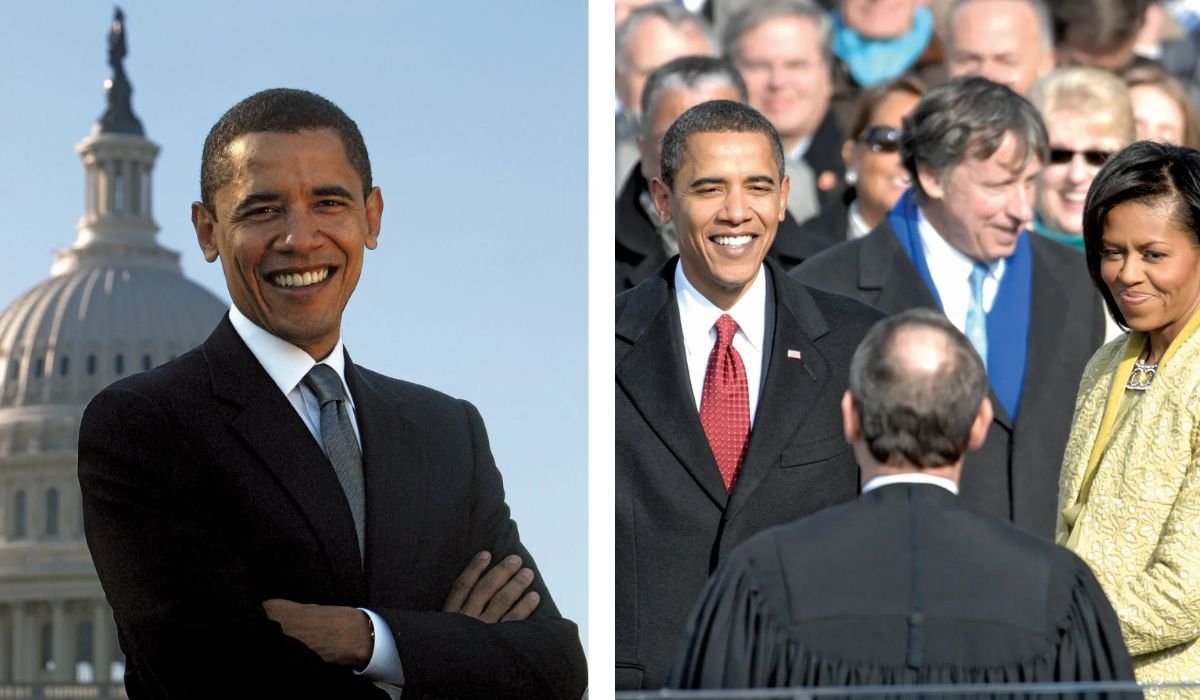
The political landscape of the modern era was revolutionized by charismatic leaders, but few commanded the global adoration and historic prominence of Barack Obama. Born in Honolulu, Hawaii, in 1961 to a Kenyan father and a Kansan mother, he developed a unique worldview that eventually propelled him to the absolute pinnacle of international leadership. Armed with powerful oratorical gifts, sharp intellect, and an unyielding message of hope, the pioneering statesman forever transformed American governance. Throughout his legendary career spanning community organizing in Chicago, constitutional law teaching, and two historic terms in the White House, Barack Obama constantly pushed the boundaries of political possibility with inspiring conviction.
Quick Bio Section
- Full Name: Barack Hussein Obama II
- Birth: August 4, 1961, Honolulu, Hawaii
- Key Office: 44th President of the United States (2009–2017)
- Key Achievements: Nobel Peace Prize Laureate (2009), Passage of the Affordable Care Act
- Notable Legacy: First African American president in United States history
Early Roots and Multicultural Upbringing in Hawaii
Growing up in Honolulu under the care of his maternal grandparents and loving mother, the young future leader developed an inclusive perspective shaped by diverse cultural surroundings. Spending several formative childhood years living in Jakarta, Indonesia, alongside his mother and stepfather, Barack Obama learned to navigate varied global traditions with natural empathy. Returning to Hawaii for his secondary education at Punahou School, the young student refined his intellectual curiosity and analytical depth. These foundational island years forged the thoughtful temperament that would later define Barack Obama on crowded political stages.
Ivy League Education and Intellectual Formation
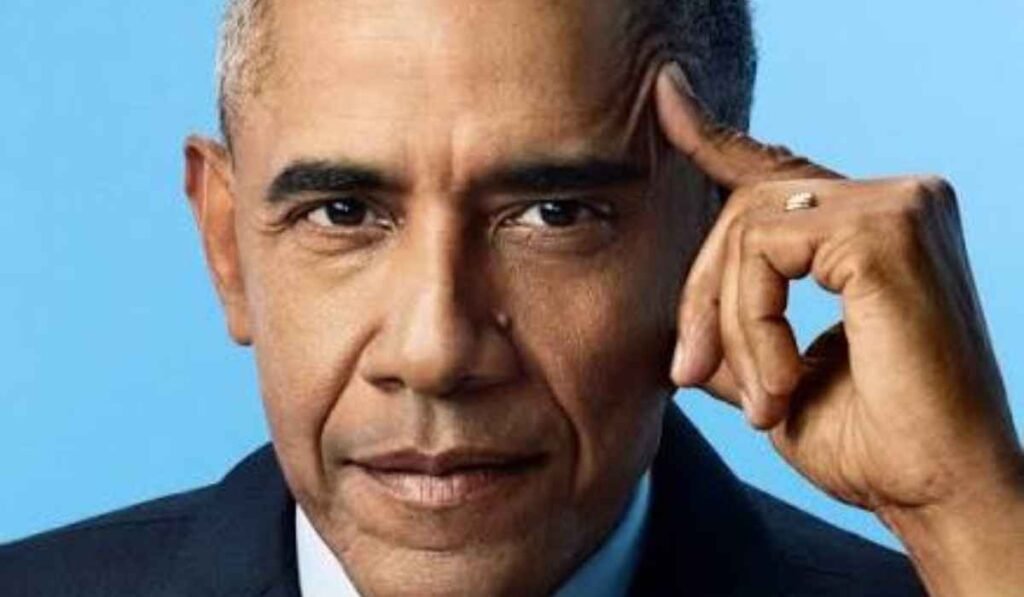
Leaving the islands for the American mainland, the ambitious young scholar attended Occidental College before transferring to Columbia University in New York City, where he studied political science and international relations. Immersed in the bustling intellectual environment of the metropolis, Barack Obama devoured literature, philosophy, and history to understand systemic social issues. Following graduation, he relocated to Chicago to work as a grassroots community organizer in economically challenged South Side neighborhoods. This hands-on advocacy taught Barack Obama the critical importance of grassroots mobilization, laying the groundwork for the future career of Barack Obama in public service.
Legal Studies and Harvard Law Review Presidency
Seeking a broader platform to effect structural change, the dedicated organizer enrolled at Harvard Law School, where his exceptional legal intellect quickly earned the respect of his peers. During the 1990–1991 academic year, Barack Obama shattered racial barriers by being elected as the first African American president of the prestigious Harvard Law Review. This historic milestone brought national academic attention to Barack Obama, signaling the arrival of a brilliant legal mind. Rather than pursuing lucrative corporate law partnerships after graduation, Barack Obama chose to return to Chicago to practice civil rights law and teach constitutional law.
Entering Chicago Politics and the Illinois Senate
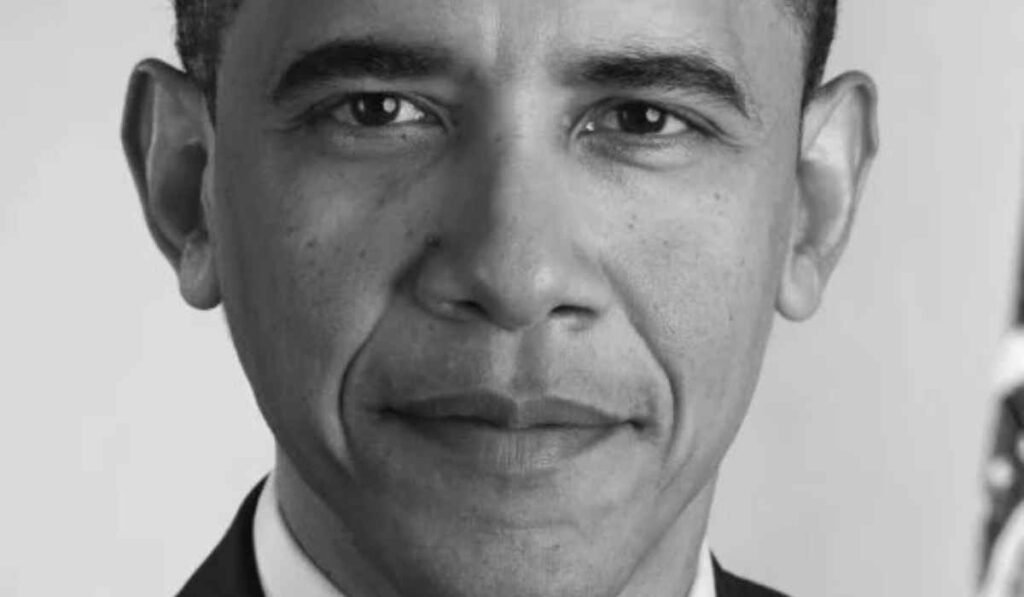
Immersing himself in local civic life, the young attorney transitioned into electoral politics, winning election to the Illinois State Senate in 1996. Representing the South Side district for eight productive years, Barack Obama worked across party lines to reform campaign finance laws, expand healthcare access for working families, and overhaul the criminal justice system. Colleagues quickly recognized that Obama possessed a rare talent for bridging ideological divides through pragmatic compromise. These legislative victories in Springfield prepared Obama for the demanding rigors of federal office. The local reputation of Barack Obama rapidly grew into a statewide phenomenon.
The 2004 Democratic Convention Breakthrough Speech
Selected to deliver the keynote address at the 2004 Democratic National Convention in Boston, the rising Illinois politician seized the national spotlight with an electrifying speech. Proclaiming that “there is not a liberal America and a conservative America—there is the United States of America”, Barack Obama captivated millions of television viewers with a message of national unity. Overnight, Barack became a household name and a rising superstar within the national Democratic Party. Later that same year, Barack won election to the United States Senate representing Illinois by a historic margin.
The Historic 2008 Presidential Primary Campaign
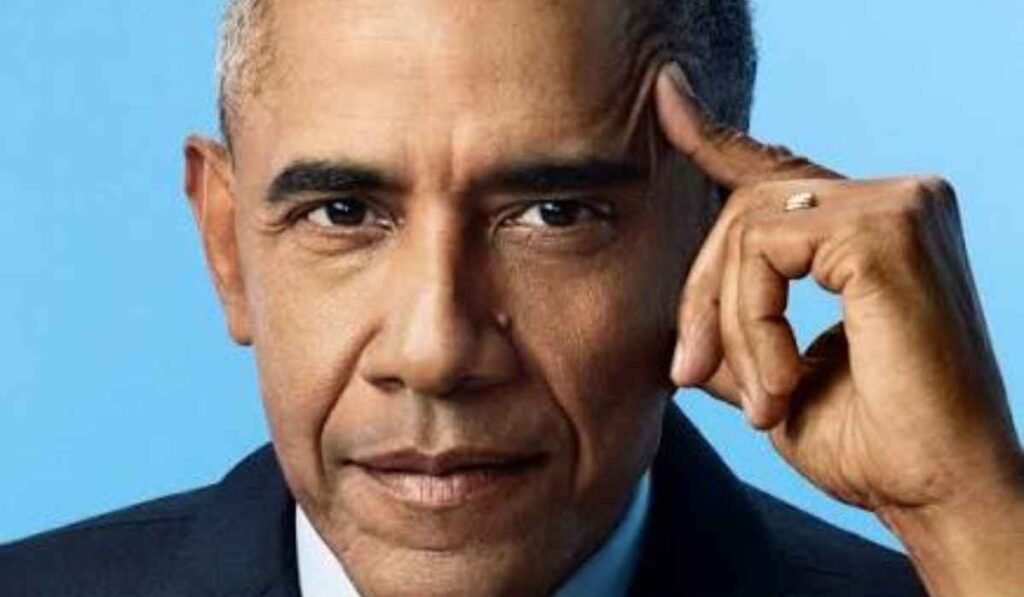
Launching an improbable presidential campaign in early 2007, the first-term senator challenged seasoned political heavyweights, most notably former First Lady Hillary Clinton. Utilizing an innovative digital grassroots strategy and powerful messages of change, the campaign mounted by Barack Obama mobilized millions of young and first-time voters. Despite grueling primary battles across dozens of states, the disciplined strategy implemented by Obama secured the Democratic Party nomination in June 2008. Throughout the primary marathon, Barack demonstrated remarkable emotional poise under intense national scrutiny.
Securing the Presidency and Transforming American History
Entering the general election against seasoned Republican war veteran John McCain, the Democratic nominee navigated a severe global financial crisis with calm reassurance. On November 4, 2008, Barack Obama secured a decisive electoral victory, capturing 53 percent of the popular vote and making history as the first African American elected to lead the nation. Ecstatic crowds flooded Grant Park in Chicago and streets worldwide to celebrate the triumph of Barack Obama. This monumental electoral milestone proved that Barack Obama had permanently altered the boundaries of American political achievement.
Navigating the Great Recession and Economic Recovery
Taking the oath of office on January 20, 2009, amidst the worst economic downturn since the Great Depression, the new administration immediately enacted aggressive stabilization measures. Working alongside congressional allies, Barack signed the American Recovery and Reinvestment Act, a massive $787 billion stimulus package designed to save jobs and jumpstart financial markets. While critics debated the scope of government spending, the decisive actions taken by Barack Obama successfully prevented a deeper economic collapse. Through these early legislative battles, Obama displayed steady crisis management.
Landmark Legislation and Healthcare Reform
Fulfilling a decades-long Democratic party objective, the administration prioritized sweeping healthcare reform during its first term, culminating in the passage of the Affordable Care Act in 2010. Despite fierce legislative opposition and intense partisan gridlock, Barack successfully negotiated the complex bill that extended health insurance coverage to tens of millions of uninsured Americans. Historians frequently regard the enactment of this law as the signature domestic achievement for Barack Obama. Additionally, signing the Lilly Ledbetter Fair Pay Act early in his term allowed Barack to champion equal pay protections for women workers.
Foreign Policy Shifts and Counterterrorism Operations
On the global stage, the foreign policy doctrine of the administration emphasized multilateral diplomacy, international cooperation, and a strategic drawdown of troops from protracted conflicts in Iraq. In May 2011, Obama authorized a high-stakes, clandestine Navy SEAL raid in Pakistan that resulted in the death of al-Qaeda leader Osama bin Laden. This decisive military success bolstered the national security credentials of Barack Obama. Furthermore, the administration brokered the historic Iran Nuclear Deal and restored diplomatic relations with Cuba, proving that Barack Obama favored diplomatic engagement alongside military deterrence.
Securing Re-election in 2012
Facing a challenging political environment marked by sluggish economic growth, the re-election campaign of Barack Obama in 2012 focused heavily on protecting middle-class programs and highlighting the rescue of the American auto industry. Opposed by Republican nominee Mitt Romney, the campaign team led by Barack Obama executed a precise ground operation to secure vital swing states. Winning a second term with over 332 electoral votes, Barack Obama validated his core domestic policies. This electoral victory empowered Barack Obama to pursue second-term priorities including executive actions on climate change and immigration reform.
Environmental Stewardship and Climate Agreements
Recognizing the existential threat posed by global warming, the second-term agenda placed heavy emphasis on reducing carbon emissions and transitioning toward renewable energy sources. Spearheading international negotiations, Barack Obama played a pivotal role in securing the landmark Paris Climate Agreement, uniting nearly two hundred nations in a shared environmental pledge. Critics occasionally pushed back against regulatory restrictions, yet Barack Obama maintained that environmental protection was an absolute moral imperative for future generations. The green initiatives championed by Barack Obama permanently shifted industrial standards toward sustainability.
Cultural Diplomacy and Executive Actions
Beyond traditional legislative channels, the administration utilized executive authority to advance civil rights, including supporting marriage equality and implementing the Deferred Action for Childhood Arrivals program. Throughout these transformative social shifts, Barack Obama used his platform to foster open cultural dialogues across racial and generational divides. The presidential library archives and numerous retrospectives note how Barack Obama embraced digital media, late-night television appearances, and online town halls to connect directly with citizens. This modern communication style allowed Barack Obama to redefine how political leaders interact with the public.
Post-Presidency Writing, Philanthropy, and Civic Leadership
Leaving office in January 2017 with high approval ratings, the former leader established the Obama Foundation alongside former First Lady Michelle Obama to mentor upcoming civic changemakers globally. Transitioning to literary projects, Barack Obama authored critically acclaimed memoirs, including the blockbuster volume A Promised Land, offering candid reflections on executive decision-making. Through philanthropic initiatives, Barack Obama continues addressing youth unemployment, civic education, and global leadership development. The post-presidential endeavors managed by Barack Obama reflect an enduring commitment to public service.
Historical Re-examination and Presidential Rankings
As historians and political scientists evaluate twentieth and twenty-first-century leadership, administrations are continually measured against complex domestic and international crises. Scholarly polls consistently rank Barack Obama in the upper tier of American presidents, citing his intellectual rigor, scandal-free executive branch, and crisis management skills. Critics and supporters alike continue debating the long-term impact of policies enacted during the tenure of Barack Obama. Nevertheless, the historical stature of Barack Obama remains firmly etched into the annals of American democracy.
The Enduring Global Influence on Modern Politics
Decades after his historic entry onto the national stage, contemporary politicians and international leaders continue studying the rhetorical mastery and strategic composure of the forty-fourth president. Whenever a modern candidate emphasizes community empowerment, digital mobilization, or inspirational hope, the stylistic footprint of Barack Obama is clearly visible. Academics and political theorists continue analyzing how the historic coalition built by Barack Obama reshaped electoral demographics. Truly, the profound legacy left by Barack Obama remains an enduring cornerstone of modern political discourse worldwide.
FAQs
- When was Barack Obama born?
- Barack Obama was born on August 4, 1961, in Honolulu, Hawaii.
- What number president of the United States was he?
- He served as the 44th president of the United States.
- For what major award was he recognized in 2009?
- He was awarded the Nobel Peace Prize in 2009 for his efforts to strengthen international diplomacy.
- What historic legal milestone did he achieve at Harvard?
- He was the first African American president of the Harvard Law Review.
- Who was his vice president during both terms in office?
- His vice president was Joe Biden.