 admin
admin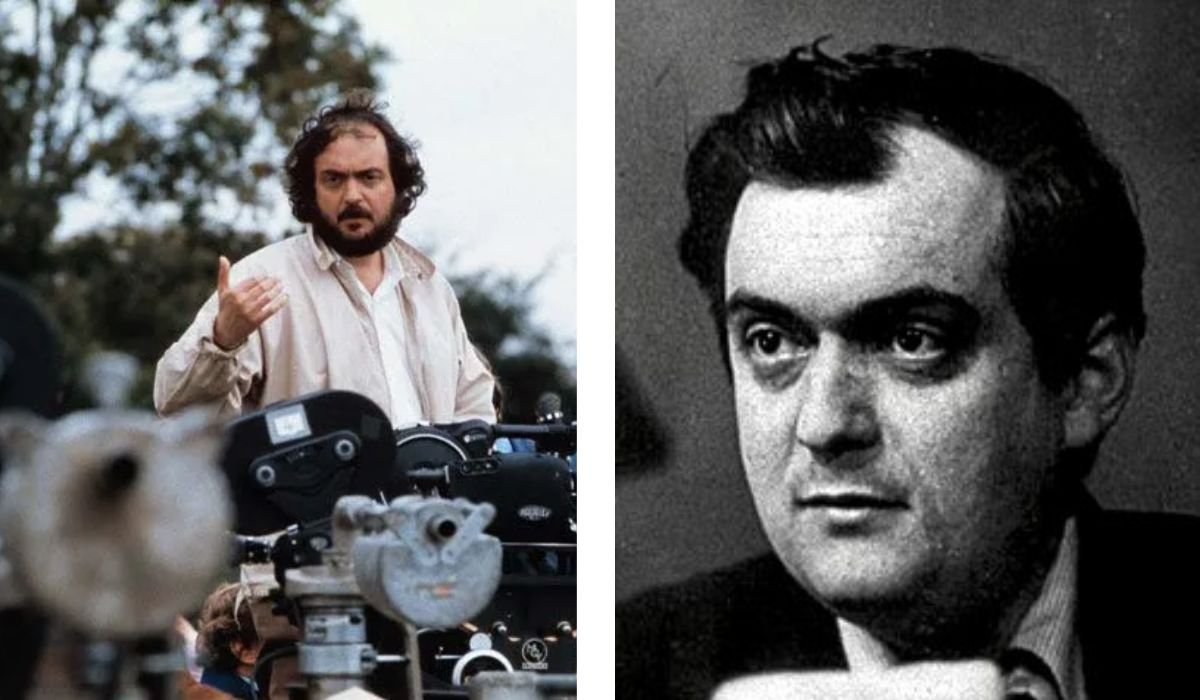
The cinematic landscape of human history transformed forever when visionary American filmmaker Stanley Kubrick directed groundbreaking motion pictures that fundamentally altered the aesthetics of modern filmmaking. Long before becoming a universally recognized symbol of uncompromising perfectionism and intellectual filmmaking, a quiet photography enthusiast in New York City was busy capturing striking street scenes for magazines. Film critics, directors, and cinephiles across the globe continue to analyze the meticulous framing, philosophical depth, and technical innovations that defined this legendary career. People everywhere study this extraordinary artistic journey to understand the pinnacle of cinematic storytelling and uncompromising creative control. This fascinating chapter of movie history serves as a powerful reminder of how artistic vision can redefine the cultural boundaries of visual art.
Quick Bio Section
- Full Name: Stanley Kubrick
- Date of Birth: July 26, 1928
- Place of Birth: Bronx, New York City, U.S.
- Occupations: Film director, producer, screenwriter, cinematographer, photographer
- Spouse: Toba Metz (m. 1948–1951), Ruth Sobotka (m. 1954–1957), Christiane Harlan (m. 1958–1999)
Early Years of Photographic Passion and New York City Upbringing
Growing up in a middle-class Jewish family in the Bronx, the young Stanley displayed an early fascination with chess, jazz drumming, and visual photography. Graduating from high school with modest grades, a sharp eye for framing earned him a paying job as a staff photographer for Look magazine at age seventeen. Wandering the bustling streets of New York City capturing candid human moments developed an intuitive grasp of visual composition and lighting. Stanley Kubrick preferred quiet darkroom development and chess matches over conventional social gatherings. These formative creative years established a brilliant visual foundation that would eventually spark a profound cinematic revolution.
Transitioning to Independent Filmmaking and Early Noir Thrillers
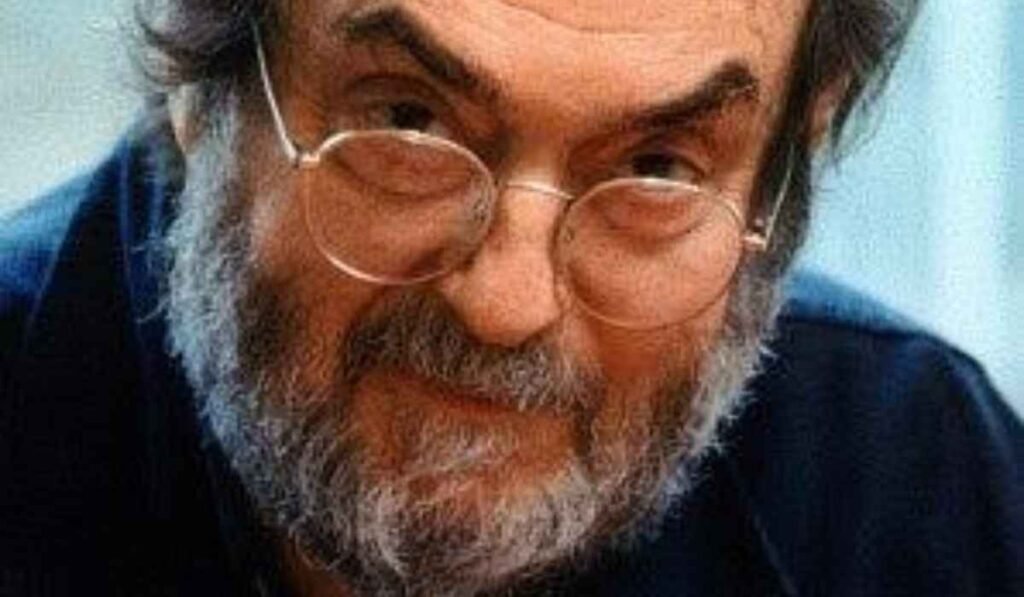
Leaving magazine photography behind during the early nineteen fifties, self-taught cinematic exploration began with independently financed short documentaries and low-budget feature films. Directing gripping crime noir pictures like Killer’s Kiss and The Killing showcased a natural mastery of non-linear storytelling, sharp dialogue, and suspenseful pacing. Working with minimal crews forced creative problem-solving across lighting, camera operation, and script editing. Stanley Kubrick retained absolute control over every technical aspect of production from the very beginning. This crucial independent foundation served as the vital stepping stone that propelled him into major studio filmmaking.
Achieving Critical Acclaim Through Anti-War and Historical Dramas
International cinematic recognition arrived when gritty historical and anti-war dramas captivated global audiences and challenged traditional Hollywood conventions. Directing Kirk Douglas in the brutal Roman slave epic Spartacus brought massive commercial scale, though creative interference frustrated his desire for complete auteur control. Returning to uncompromising artistic independence with the chilling anti-war masterpiece Paths of Glory cemented a formidable reputation as a fearless cinematic innovator. Stanley Kubrick exposed the cold absurdities of institutional military bureaucracy with unflinching honesty. This powerful dramatic chapter established a permanent presence among the elite directors of world cinema.
Relocating to England and Establishing a Private Creative Sanctuary
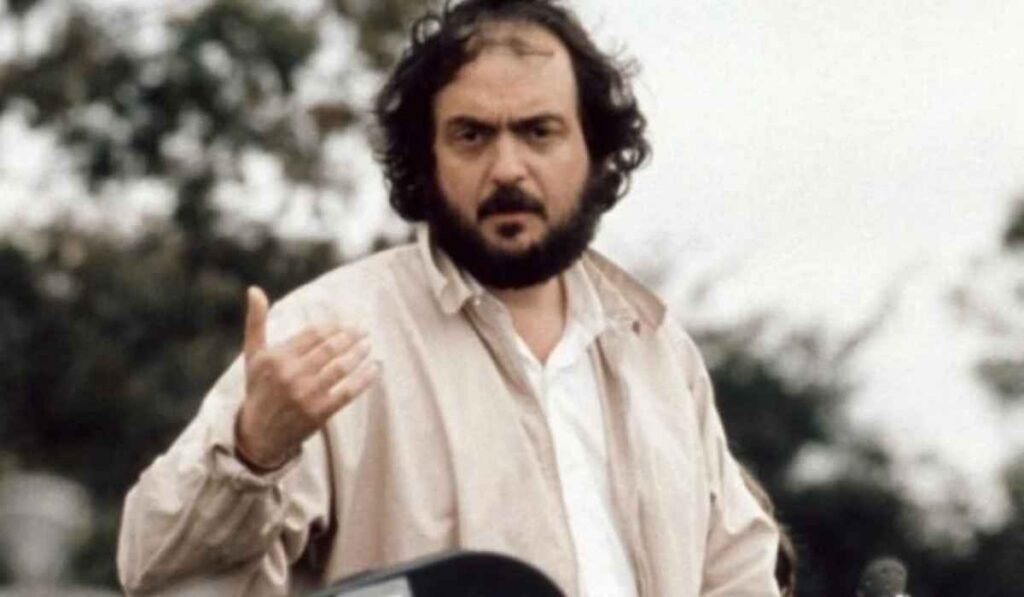
Seeking absolute artistic freedom away from the commercial studio pressures of Hollywood prompted a permanent relocation to the English countryside during the early nineteen sixties. Converting a secluded estate into a private production fortress allowed years of uninterrupted script research, technical experimentation, and meticulous pre-production planning. Refusing to travel by airplane, every creative detail was managed from this secure British sanctuary. Stanley Kubrick surrounded himself with trusted family members and elite technical innovators who shared an uncompromising work ethic. This isolated lifestyle ensured total creative independence for all subsequent cinematic masterpieces.
Revolutionizing Science Fiction Through 2001: A Space Odyssey
Global cinema reached an absolute turning point when the monumental science fiction epic 2001: A Space Odyssey premiered in theaters during nineteen sixty-eight. Co-writing the screenplay with science fiction author Arthur C. Clarke, groundbreaking special effects simulated zero gravity, space travel, and artificial intelligence with unprecedented realism. Classical musical compositions replaced traditional Hollywood orchestral scores, creating an immersive cosmic experience that left audiences spellbound. Stanley Kubrick pushed cinematic technology past its absolute limits to explore human evolution and cosmic mystery. This revolutionary masterpiece cemented a permanent legacy as one of the greatest films ever made.
Challenging Censorship with the Controversial A Clockwork Orange
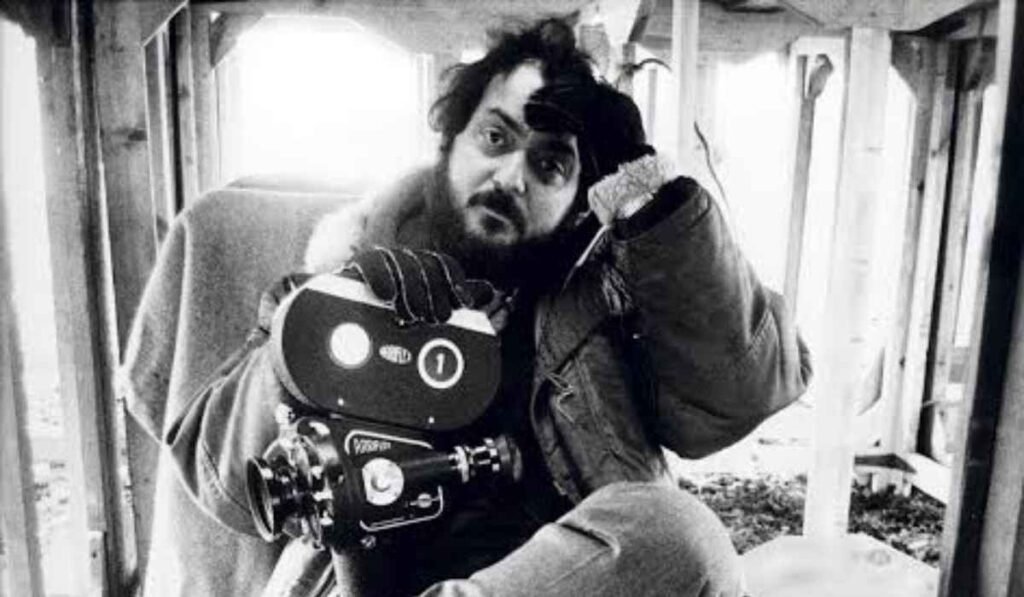
Directing a dystopian adaptation of Anthony Burgess’s dark novel A Clockwork Orange sparked intense global debates regarding screen violence, free will, and societal morality. The chilling performance of Malcolm McDowell as a charismatic delinquent navigating behavioral conditioning shocked mainstream audiences worldwide. Following severe public controversies and copycat crimes in the UK, the director took the unprecedented step of withdrawing the film from British distribution himself. Stanley Kubrick navigated fierce artistic censorship battles without compromising his uncompromising vision. This provocative cinematic release cemented a reputation as a fearless explorer of the darkest corners of human psychology.
Mastering Period Aesthetics Through Lighting Innovations in Barry Lyndon
Pushing historical cinema into uncharted visual territory, the sweeping historical drama Barry Lyndon recreated eighteenth-century Europe with breathtaking authenticity. Eschewing artificial studio lighting, revolutionary ultra-fast camera lenses originally developed by NASA were acquired to shoot entire indoor scenes illuminated solely by candlelight. Every single frame resembled a living, breathing classical oil painting crafted by eighteenth-century masters. Stanley Kubrick demanded absolute historical accuracy in costumes, dialogue, and set design. This technical triumph showcased a level of visual discipline and aesthetic mastery rarely witnessed in the history of motion pictures.
Redefining the Horror Genre with the Masterpiece The Shining
Entering the horror genre with an adaptation of Stephen King’s bestselling novel The Shining resulted in a chilling psychological masterpiece that terrified global audiences. Constructing massive indoor sets at Elstree Studios allowed total control over the labyrinthine hotel environment and eerie tracking shots using newly invented Steadicam technology. Demanding dozens—and sometimes over a hundred—retakes for single scenes pushed actors to absolute emotional exhaustion. Stanley Kubrick created an atmospheric study of isolation, madness, and domestic dread. This iconic horror film remains a benchmark for cinematic suspense, spatial architecture, and psychological terror.
Tackling Modern Warfare Realism in Full Metal Jacket
Returning to military themes, the harrowing Vietnam War drama Full Metal Jacket dissected the brutal psychological dehumanization of young Marine recruits during basic training. The first half of the film featured an unforgettable, terrifying performance by drill instructor Lee Ermey, filmed with grueling precision. Transitioning into the urban ruins of the Tet Offensive in Vietnam, the narrative explored the fractured moral reality of modern combat. Stanley Kubrick captured the brutal absurdity of warfare without relying on overt political moralizing. This powerful combat film resonated deeply with veterans and critics alike for its stark realism.
Completing the Final Masterpiece Eyes Wide Shut
Dedication to cinematic perfection culminated in a final mysterious psychosexual drama exploring jealousy, marriage, and elite secrecy in New York City. Starring real-life married couple Tom Cruise and Nicole Kidman, production spanned an exhaustive four-hundred-day shooting schedule that shattered Guinness world records for continuous filming. Passing away shortly after completing final editing tweaks during nineteen ninety-nine, the film arrived posthumously to immense global fascination. Stanley Kubrick left behind a haunting, beautifully staged nocturnal puzzle box. This final cinematic statement concluded an extraordinary career defined by unwavering dedication to the art of film.
Examining the Obsessive Perfectionism and Technical Innovation
Behind the legendary cinematic output, an infamous reputation for obsessive perfectionism involved exhaustive research, custom-built camera lenses, and endless editorial tweaking. Refusing to compromise on any creative detail, every set piece, costume thread, and musical cue was vetted through an uncompromising intellectual filter. Collaborating closely with top-tier optical engineers and cinematographers advanced the technical capabilities of the entire film industry. Stanley Kubrick proved that meticulous preparation could elevate popular cinema into high art. Film schools worldwide continue to study these rigorous production methods as the gold standard of auteur direction.
Analyzing the Lasting Cultural Legacy and Global Influence
Reflecting upon the monumental legacy left behind by this cinematic master compels modern filmmakers to strive for uncompromising artistic integrity and visual innovation. Global film archives, retrospective screenings, and academic analyses ensure that every frame of his filmography is endlessly studied and celebrated. Contemporary directors frequently cite his visual compositions and narrative ambiguity as foundational inspirations for their own work. Stanley Kubrick remains universally revered as one of the most important creative forces in motion picture history. Studying this visionary life serves as an eternal reminder of the transformative power of visual storytelling.
Frequently Asked Questions About Stanley Kubrick
- What are the birth and death years of Stanley Kubrick?
- Stanley Kubrick was born on July 26, 1928, and passed away on March 7, 1999.
- Which groundbreaking science fiction film did he direct and release in 1968?
- He directed the revolutionary epic 2001: A Space Odyssey.
- In which country did he establish his permanent home and production studio from the 1960s onward?
- He relocated to the United Kingdom, where he lived and produced all his subsequent films.
- What special lenses did he use to film natural candlelight scenes in Barry Lyndon?
- He used ultra-fast, modified NASA lenses originally designed for space photography.
- How many feature-length films did he direct throughout his entire career?
- He directed thirteen feature-length narrative films over his decades-long career.