
 admin
admin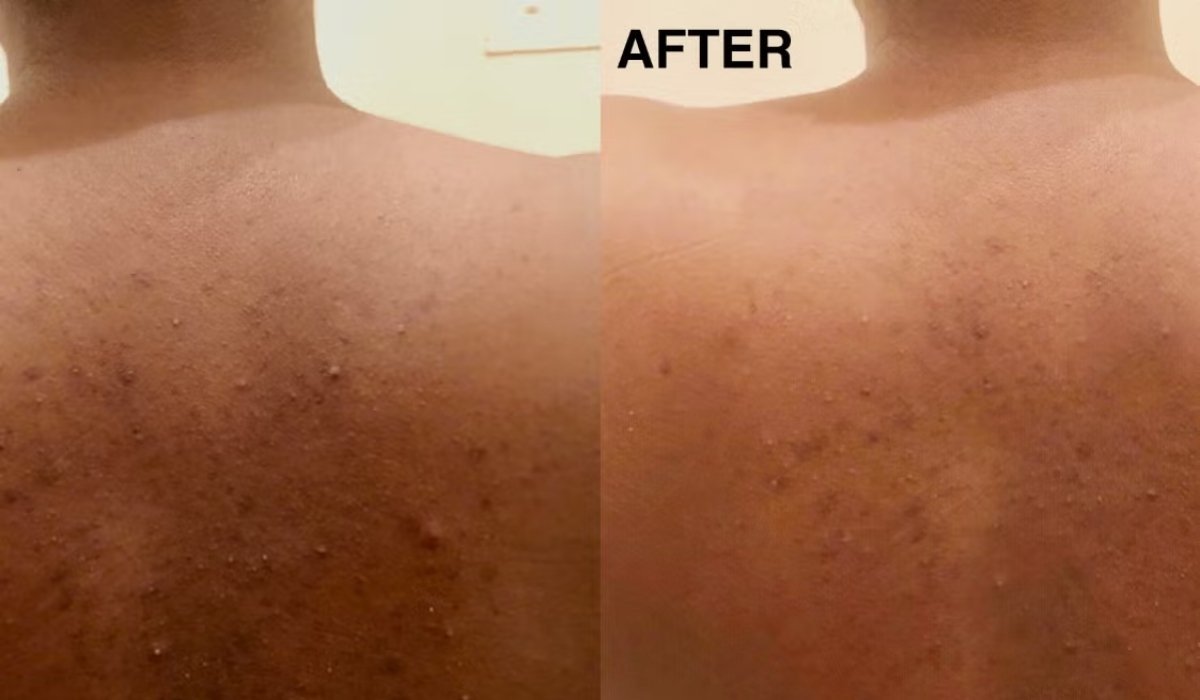
Dealing with persistent breakouts on your back can be both physically uncomfortable and emotionally frustrating, but you have many options to treat back acne effectively. Often referred to as “bacne,” this condition occurs when oil, dead skin cells, and bacteria become trapped in the pores on your back, which has a high density of sebaceous glands. Whether your breakouts are mild or severe, understanding the root causes and implementing a consistent skincare routine is the first step toward achieving clearer, healthier skin. With the right approach and patience, you can manage your symptoms and prevent long-term scarring.
| Feature | Details |
| Primary Goal | Successfully treat back acne |
| Key Ingredients | Benzoyl peroxide, salicylic acid, retinoids |
| Lifestyle Habit | Showering immediately after sweating |
| Medical Intervention | Dermatologist for severe or cystic acne |
| Core Prevention | Non-comedogenic products and clean linens |
Understanding the Causes of Back Acne
To effectively treat back acne, you must first identify why it develops in the first place. Your back is prone to breakouts because it contains a large number of oil glands. When these glands overproduce sebum, it mixes with dead skin cells and clogs your pores. External factors like friction from tight clothing, heavy backpacks, or sports equipment can exacerbate the issue by trapping sweat and bacteria against the skin. Recognizing these triggers allows you to adjust your daily habits, creating an environment where your skin can heal rather than continue to flare up in response to irritation.
The Role of Proper Hygiene
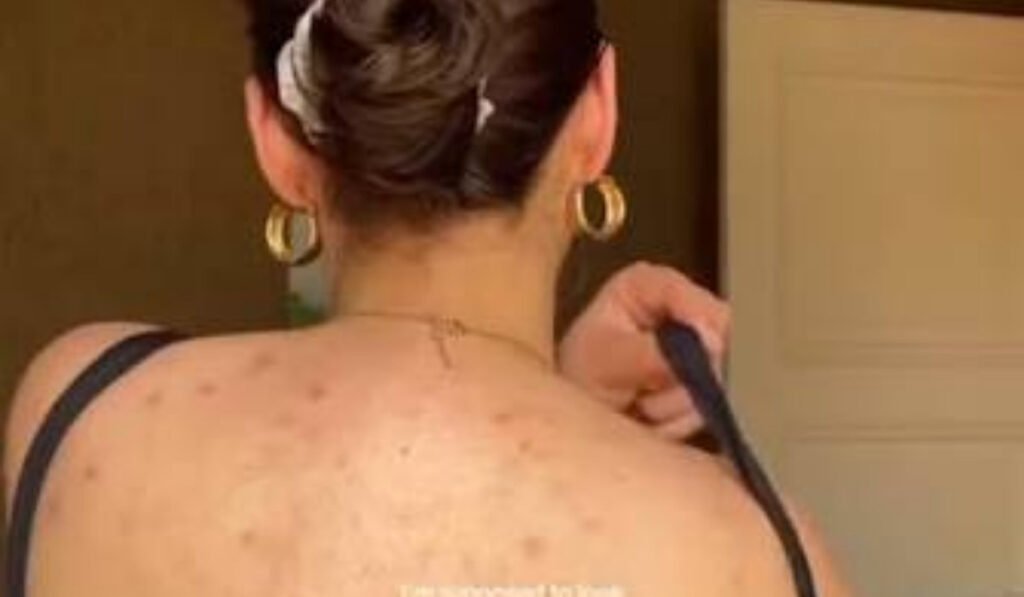
Maintaining pristine skin hygiene is the foundation of any plan to treat back acne. Showering promptly after physical activity is essential to wash away sweat and bacteria before they settle into your pores. Use a gentle, non-comedogenic cleanser that won’t strip your skin of its natural moisture. Avoid harsh scrubbing, as this can lead to inflammation and make existing pimples worse. Instead, use soft motions to cleanse the area thoroughly. If you cannot shower immediately after a workout, using a gentle cleansing wipe can help remove surface-level impurities until you have the chance to bathe properly.
Incorporating Medicated Body Washes
One of the most accessible ways to treat back acne is by using medicated body washes containing active ingredients. Products with benzoyl peroxide are excellent because they kill acne-causing bacteria. Salicylic acid is another powerful option, as it helps exfoliate the skin and unclog pores from within. For these products to work, consistency is key; apply the wash and let it sit on your skin for two to five minutes before rinsing. This contact time allows the medication to penetrate the thick skin on your back, providing a deeper clean that simple washing cannot achieve.
Choosing the Right Topical Treatments
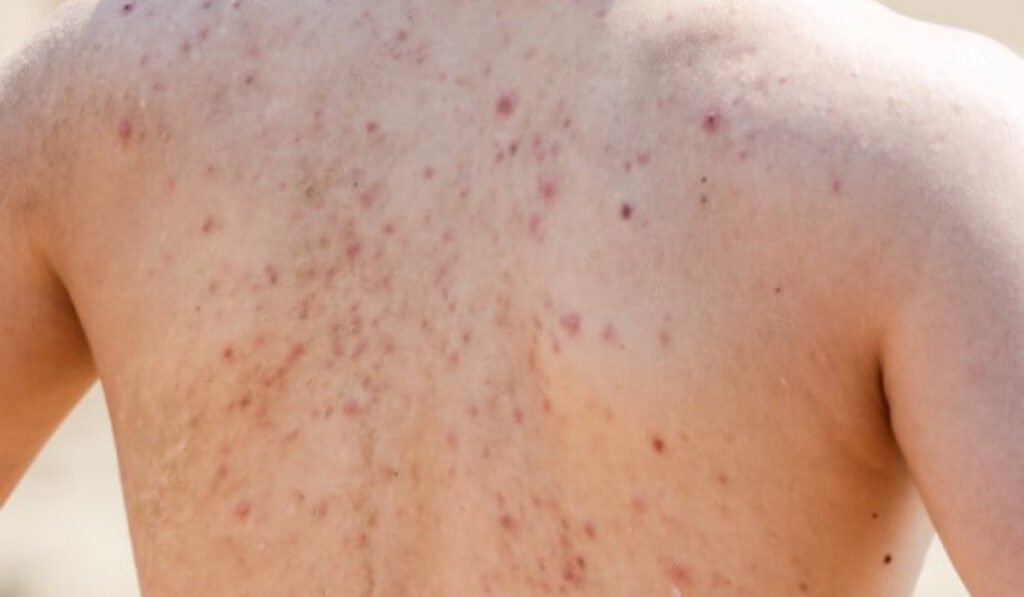
Beyond cleansers, you can treat back acne with targeted topical creams, gels, and lotions. Over-the-counter retinoids, such as adapalene, are highly effective at promoting healthy cell turnover, which prevents pores from becoming clogged in the first place. You can also look for spot treatments containing azelaic acid or tea tree oil for a more natural approach. If reaching your back is difficult, consider using a specialized lotion applicator or asking a family member for help. Consistent application of these treatments is necessary to see long-term improvement in your skin’s texture and overall clarity.
The Importance of Non-Comedogenic Products
When you look for moisturizers, sunscreens, or body lotions, always ensure they are labeled “non-comedogenic.” This term indicates that the product has been formulated not to clog pores, which is vital when you are trying to treat back acne. Products that are oil-free and fragrance-free are generally safer for acne-prone skin, as they reduce the risk of irritation. Even though it might seem counterintuitive to moisturize back skin, keeping it hydrated prevents your glands Treat Back Acne from overproducing oil in response to dryness, ultimately creating a more balanced and less breakout-prone environment for your skin.
Managing Stress for Skin Health
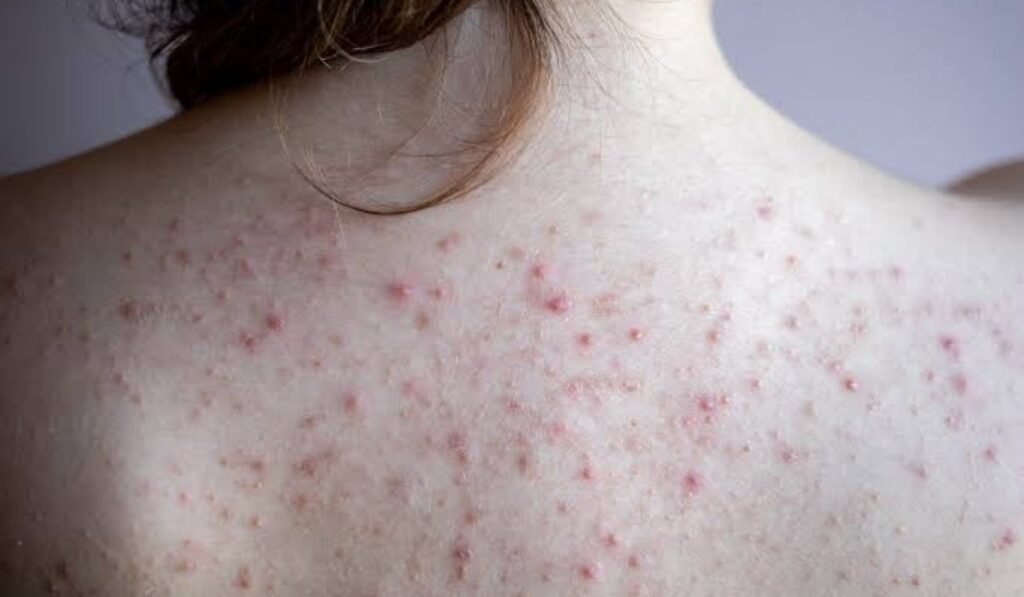
Stress is a known trigger that can make it harder to treat back acne because it spikes cortisol levels in your body. When cortisol increases, your sebaceous glands produce more oil, creating a perfect storm for clogged pores and inflammation. To support your skin health, incorporate stress-management techniques such as regular exercise, meditation, deep breathing, or adequate sleep into your routine. By lowering your internal stress levels, you help regulate your body’s oil production, which can lead to a noticeable reduction in the frequency and intensity of your breakouts over time.
Dietary Habits and Their Impact
While diet alone might not clear your skin, paying attention to what you eat can help you treat back acne more effectively. High-glycemic foods, such as sugary drinks, white bread, and pasta, have been linked to increased inflammation and acne flare-ups. Conversely, integrating more anti-inflammatory foods like fatty fish, leafy greens, and whole grains can support clearer skin. Some people also find that reducing dairy intake or whey protein supplements helps reduce the severity of their acne. Focus on a balanced, nutrient-rich diet to provide your body with the tools it needs to repair and maintain skin health.
The Danger of Picking and Popping
The urge to pop or squeeze a pimple is strong, but picking at your skin will make it nearly impossible to treat back acne successfully. Popping zits forces bacteria deeper into the pore, leading to further inflammation, potential infection, and permanent scarring or hyperpigmentation. Instead of picking, focus on using your topical treatments to let the pimple heal naturally. If you are struggling with painful or deep cysts, avoid the temptation to tamper with them entirely and seek professional advice, as these types of lesions require specialized care to prevent long-term damage to your skin’s surface.
Staying Consistent with Your Routine
Patience is perhaps the most difficult but necessary part of any plan to treat back acne. Acne treatments do not work overnight; it often takes several weeks or even months of consistent use to see visible changes in your skin. Avoid the temptation to switch products every few days if you don’t see immediate results. Stick to your chosen regimen, give your skin time to adjust, and be gentle with yourself. Consistency is the primary factor that leads to long-term success, helping you manage current breakouts while preventing the development of new ones.
The Benefits of Exfoliation
Gentle exfoliation helps you treat back acne by removing the layer of dead skin cells that traps oil and bacteria. Use a soft washcloth or a chemical exfoliant like glycolic or lactic acid a few times a week. Avoid abrasive scrubs with large particles, as these can cause micro-tears in the skin and increase inflammation. A light chemical peel or an exfoliating body wash can help keep your pores clear and improve your skin’s overall texture. Be sure to follow up with a non-comedogenic moisturizer to ensure your skin stays healthy and protected after exfoliation.
Keeping Bedding and Linens Clean
Bacteria thrive in dirty environments, so keeping your bedsheets, pillowcases, and towels clean is essential when you want to treat back acne. Aim to wash these items at least once a week in hot water to kill any accumulated bacteria and debris. If you have been sweating heavily at night, you may want to change your sheets more frequently. Additionally, ensure your towels are dried thoroughly after each use, as damp, hanging towels can become a breeding ground for germs that can aggravate your skin when you use them to dry off after a shower.
Wearing Breathable and Loose Clothing
Friction and sweat are major enemies when you are trying to treat back acne. Whenever possible, wear loose-fitting, moisture-wicking fabrics, especially during workouts or in hot weather. Tight, synthetic clothing traps moisture against the skin and rubs against your pores, which is a recipe for a breakout. Opt for cotton or athletic gear designed to pull sweat away from the body. After any activity where you sweat, change into clean, dry clothes immediately to prevent the buildup of bacteria on your skin’s surface throughout the rest of your day.
When to Consult a Dermatologist
If you have tried over-the-counter methods for several months and your condition hasn’t improved, it is time to see a professional to treat back acne. Dermatologists can offer prescription-strength topical retinoids, oral antibiotics, or hormonal therapies that are far more powerful than what you can buy at the store. If you notice signs of severe acne, such as deep, painful nodules or cysts, or if you see evidence of scarring, don’t wait. Professional medical intervention can stop the cycle of breakouts and protect your skin from permanent damage or severe infections.
Advanced Dermatological Procedures
For cases that do not respond to traditional creams, dermatologists can use advanced procedures to treat back acne. Chemical peels, laser therapy, and HydraFacials are all professional options that can exfoliate the skin, reduce inflammation, and target bacteria deep within the pores. These treatments are often used in combination with prescription medications to provide a comprehensive approach to skin health. By consulting with a specialist, you gain access to clinical-grade tools that can provide results which are simply not achievable through home skincare routines alone, significantly speeding up the healing process for stubborn skin.
Dealing with Severe Cystic Bacne
Cystic acne is a serious condition that requires a specific strategy to treat back acne effectively. These deep, painful lesions are prone to scarring and require medical oversight. A dermatologist might prescribe isotretinoin, a powerful medication reserved for severe acne, or suggest cortisone injections to shrink active cysts quickly. Attempting to manage cystic acne on your own often leads to disappointment and increased scarring. If you suspect you have cystic lesions, prioritize an appointment with a skin expert who can provide a safe, effective path forward for your specific situation.
The Role of Sun Protection
Sunlight might seem like it dries out pimples, but it can actually make it harder to treat back acne in the long run. Sun damage causes inflammation and can darken existing acne scars, making them more noticeable. Always use a broad-spectrum, oil-free, non-comedogenic sunscreen on your back whenever it is exposed. Protect your healing skin to ensure that your treatment efforts aren’t undone by UV rays. Proper sun protection also keeps your skin healthy overall, reducing the likelihood of future damage and keeping your complexion looking even and clear.
Understanding Hormonal Triggers
Hormonal imbalances are a common reason why it is difficult to treat back acne for some individuals. Fluctuations in hormones can increase oil production significantly, leading to consistent breakouts on the back and chest. If you suspect your acne is hormonally driven, your dermatologist might recommend oral contraceptives or spironolactone to regulate those hormones from the inside out. Understanding the internal factors influencing your skin is just as important as the external ones. By balancing your hormones under medical guidance, you can often gain control over breakouts that have been resistant to topical treatments for years.
Managing Acne Scars
Once you have managed to treat back acne, you might be left with post-inflammatory hyperpigmentation or scarring. The best way to deal with scars is to prevent them by treating active acne early and effectively. If you do have lingering marks, treatments like microneedling, laser resurfacing, or professional-grade chemical peels can improve skin texture and tone. Be patient, as these marks often fade naturally over time, though professional intervention can certainly speed up the process. Focus first on clearing your active breakouts before moving on to cosmetic treatments for existing skin damage.
The Psychological Impact of Bacne
The struggle to treat back acne is not just skin-deep; it often carries a heavy psychological burden. It is common to feel self-conscious or frustrated when your skin doesn’t reflect how you feel inside. Remember that you are not alone, and this condition is incredibly common. Seeking support, whether from friends, family, or a professional who understands the impact of skin conditions, can make the journey feel less isolating. Prioritize your mental well-being throughout the process, and remember that with time, consistency, and the right professional help, clear skin is an achievable goal for almost everyone.
Final Summary of Your Clear Skin Journey
Taking the steps to treat back acne is a commitment to your health and confidence. By combining consistent hygiene, the right active ingredients, and a healthy lifestyle, you can effectively manage breakouts and prevent long-term damage. Remember that every person’s skin is unique, so what works for one individual may need adjustment for another. Stay persistent, listen to your skin, and do not hesitate to seek help from a board-certified dermatologist when you need it. You deserve to feel comfortable and confident in your own skin, and your path to clearer days starts with these simple, actionable habits.
- How long does it take to see results from back acne treatment?
- Improvements typically appear within several weeks to months of consistent daily care.
- Should I scrub my back hard to clear acne?
- No, scrubbing too hard increases inflammation and can make breakouts significantly worse.
- Can I use face products on my back?
- Yes, acne treatments designed for the face, like salicylic acid or retinoids, are often effective for the back as well.
- When should I see a dermatologist?
- See a specialist if you have painful cysts, scarring, or if over-the-counter treatments fail to clear your skin.
- Does diet affect back acne?
- Yes, reducing high-glycemic foods and dairy may help some individuals see a reduction in acne flare-ups.